
table of contents
- Why DIY? Scope, Value, and Real-World Relevance
- A New Era: Eco-Conscious and Results-Driven
- Integrity, Safety, and Informed Choice
- Natural Remedies and Household Solutions
- Physical Barriers, Exclusion, and Monitoring
- Key Takeaway
- Smart Solutions for Common Pest Situations
- Targeting Pests Indoors and Outdoors
- Mosquito Mastery and Knowing Your Limits
- Immediate, Shareable Wins
- Breaking Down IPM: Step-by-Step
- Know Your Enemy: Identification Matters
- Treatment That’s Safe and Sensible
- Ongoing Evaluation: Stay One Step Ahead
- Timing: When Application Makes All the Difference
- Method: Precision, Not Just Coverage
- Safety: Good for You, Good for Everyone
- Communication and Ongoing Education
- Understanding the Real Cost of DIY Pest Control
- Comparing DIY Methods, Over-the-Counter Products, and Professional Services
- Weighing Economic, Health, and Environmental Outcomes
- When Only Professional Help Will Do
- Maximizing Value: The Best of Both Worlds
- 1. Is DIY Pest Control effective for most household pests?
- 2. What are the safest DIY Pest Control products?
- 3. When should I call a professional pest control company?
- 4. How can I prevent pests naturally?
DIY Pest Control is one of the most effective ways to protect your home, business, and outdoor spaces while reducing costs and limiting chemical exposure. By combining natural pest control strategies, safe pest control practices, and proven pest prevention methods, Ontario property owners can achieve reliable results without relying solely on professional treatments.
- Prioritize eco-friendly solutions by choosing biodegradable sprays, diatomaceous earth, and essential oils—trusted by over 60% of Canadians for family-safe pest management.
- Apply targeted physical barriers like sealing entry points with caulk and installing fine-mesh screens to prevent infestations before they start.
- Match your method to the pest—use handpicking and beer traps for slugs, boric acid baits for ants and cockroaches, and citronella-based sprays plus water removal for mosquitoes.
- Follow Integrated Pest Management (IPM) by combining prevention, monitoring, correct identification, and smart intervention for lasting, low-toxicity results.
- Time treatments for early morning or after sunset to protect beneficial pollinators and boost product effectiveness in gardens and outdoor spaces.
- Practice rigorous safety protocols—always wear gloves, use dust masks for powders, and store supplies locked and dry for maximum protection of families and pets.
- Embrace cost-effective DIY—natural remedies like soap spray or baking soda often cost under $10 per season and save up to 30% annually over reactive chemical sprays.
- Know when to call a licensed professional—if you face large, recurring, or regulated pest problems, professional intervention ensures fast, compliant, and guaranteed results.
For peace of mind and a healthier environment, blend these practical strategies into your routine—then explore the full article for step-by-step instructions and local Ontario expertise.
Introduction
You spot a sudden trail of ants in your kitchen, or maybe you find tiny holes riddling your garden basil—sound familiar?
If so, you’re far from alone: over 60% of Canadians now actively seek eco-friendly, family-safe pest management solutions at home and work.
The shift for 2025 is clear: Ontario homeowners, property managers, and business owners want pest control that’s two things above all—safe and effective.
But what does that look like when you need results without waiting for appointments or worrying about harsh chemicals?
Today’s DIY pest control answers the call with practical, proven strategies you can use right now:
- Respond quickly to minor infestations before they become headaches
- Strengthen your space against future invasions using simple, eco-safe tools
- Choose solutions that put family, staff, and customer safety first—without sacrificing results
You’ll discover how these methods work for urban homes, retail storefronts, or busy restaurants—anywhere discretion, speed, and cost savings matter.
Better still, you’ll learn which pest situations truly benefit from a do-it-yourself approach—and when it’s time to call a licensed Ontario expert to safeguard your property.
Along the way, we’ll highlight key principles like:
- When natural doesn’t always mean risk-free
- Why transparency and education are the new must-haves in pest control
- How today’s green strategies deliver genuine peace of mind, not just buzzwords
Ready to unlock safer, smarter pest control for your space?
Let’s start by breaking down what makes DIY pest management in 2025 so relevant—and so reliable—for every corner of Ontario.

Understanding DIY Pest Control in 2025: Principles and Priorities
DIY pest control in Ontario has never been more relevant, with homeowners, property managers, and small business owners all seeking solutions that put safety—both human and environmental—at the forefront.
More than 60% of Canadians now prefer eco-friendly, family-safe pest management options over synthetic chemicals, mirroring a major industry shift for 2025.
Why DIY? Scope, Value, and Real-World Relevance
Picture this: It’s spring, and you notice a trail of ants in your kitchen or aphids on your balcony herbs.
DIY gives you control, fast response, and cost-savings—all without waiting days for an appointment.
This flexible approach fits urban homes, bustling restaurants, and community gardens alike, where quick containment and discretion matter.
- DIY works best for:
- Mild to moderate infestations (e.g., pantry moths, isolated garden pests)
- Preventative maintenance like sealing entry points or using natural repellents
- Managing pests with household ingredients (soap spray, essential oils)
- When NOT to DIY:
- Large or recurring infestations (e.g., constant cockroach appearances, bed bugs)
- Pests regulated under Ontario health or environmental laws
- Cases involving potential allergic reactions or safety hazards
A New Era: Eco-Conscious and Results-Driven
Green pest control isn’t just a buzzword—it’s a necessity.
Homeowners want “safe, smart, pest-free” solutions that protect their loved ones and minimize ecological impact.
In 2025, popular methods include:
- Biodegradable sprays and baits with no lingering residue
- Mechanical barriers like fine-mesh screens and rodent-proof sealing
- Monitoring and documentation for early problem detection
“Today’s best DIY strategies combine prevention, observation, and safe intervention—not just quick fixes.”
Integrity, Safety, and Informed Choice
Old-school myths—like “natural always means harmless” or “DIY is always cheaper”—can lead to mistakes.
- Every intervention, even natural ones, requires education and diligence.
- Transparent labeling, thorough testing, and responsible application are today’s minimum standards.
- Organizations like Diamo Pest Control stress customer education and a responsive, customer-first approach so you always know when to escalate.
DIY pest control in 2025 is about smart prevention, trusted safety measures, and knowing your options. The right balance delivers peace of mind—and a healthier environment for everyone in your Ontario space.
Safe and Effective DIY Pest Control Methods
The most successful DIY Pest Control strategies combine natural pest control products, physical barriers, and consistent monitoring. These methods help reduce pest activity while supporting a healthier environment for families, pets, employees, and customers.
Natural Remedies and Household Solutions
DIY pest control in 2025 is all about safety, sustainability, and results. Modern homeowners and businesses in Ontario increasingly choose eco-friendly approaches that protect families, pets, and the environment—without compromising on effectiveness.
Picture this: with just gentle dish soap and water, you can control aphids and mites on your houseplants. Mix 1 tsp of dish soap with 1 quart of water, mist onto the infested leaves, and always test a patch first to avoid plant damage.
Other go-to solutions include:
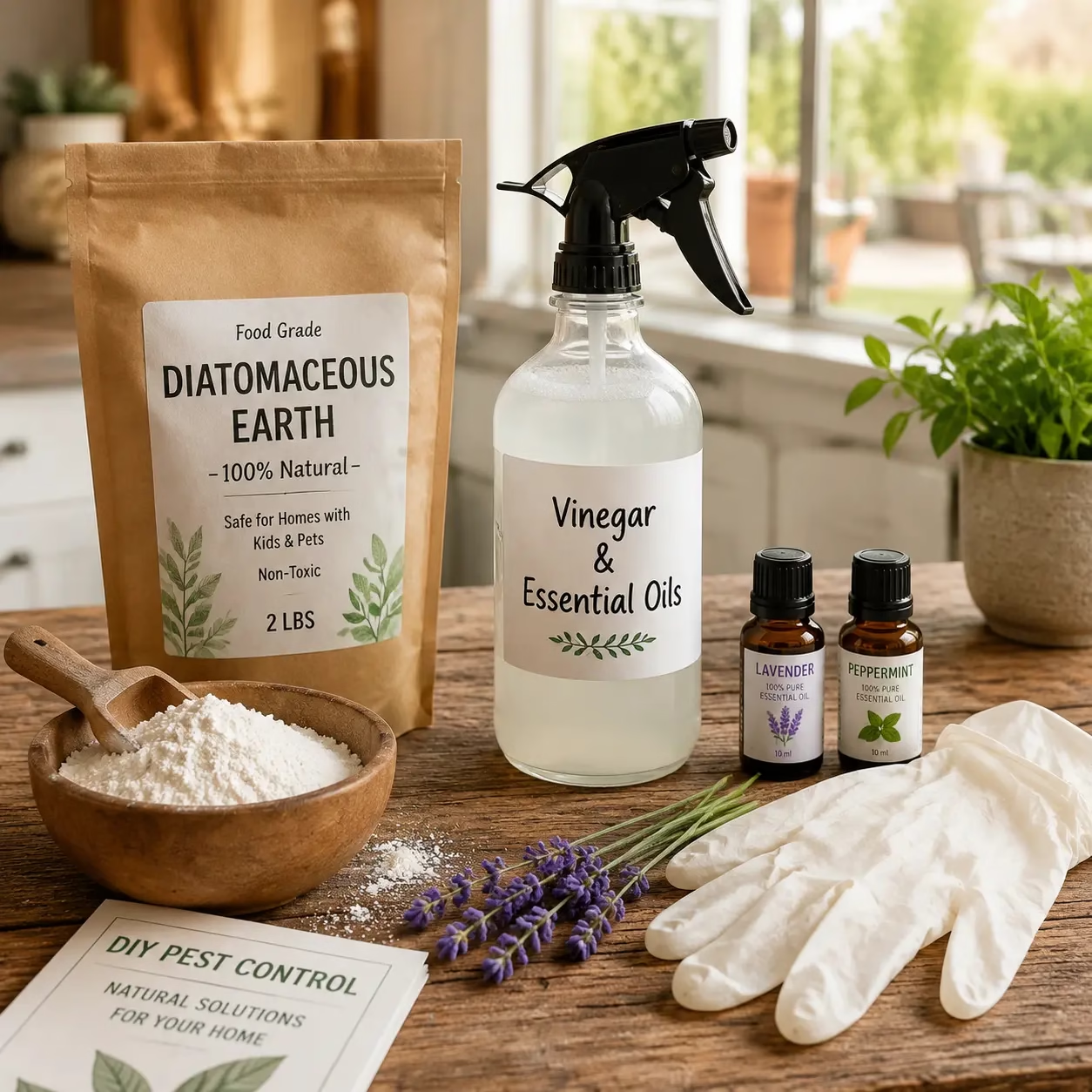
- Diatomaceous Earth: Dust this food-grade powder at the base of plants or along cracks—its microscopic edges physically dehydrate crawling pests like ants and earwigs. Always wear a dust mask and keep it dry for maximum impact.
- Baking Soda Spray: Blend baking soda with water to create a pH barrier on leaf surfaces, protecting against mildew and soft-bodied insects.
- Essential Oils: Apply cotton balls soaked in peppermint or citronella oil near windowsills and doorways—proven to repel ants, spiders, and even flies. A simple spray for door frames (a few drops mixed in water) keeps common invaders at bay.
These safe, effective natural remedies mean your pest solution is never “one size fits all.”
“You don’t need harsh chemicals—a kitchen staple or two is enough to keep your home protected.”
Physical Barriers, Exclusion, and Monitoring
Think of pest proofing as building a shield for your space. This not only blocks pests but also reinforces cleanliness and peace of mind.
Here’s how to get started:
- Seal Entry Points: Use silicone caulk or spray foam for tiny gaps, and stainless-steel mesh for rodent-prone areas. A gap as small as 1/8 inch can be an open door for mice.
- DIY Traps: Create sticky traps with yellow cardstock and petroleum jelly for fungus gnats or flies. Place bait stations flush along walls where pests travel—and choose stations designed to prevent exposure to pets or children.
- Row Covers and Screens: Lightweight fabric covers protect vegetable gardens, while fine mesh screens on vents and windows stop insects from breezing inside.
- Coffee Grounds: Sprinkle used coffee grounds around garden beds—safe for pets, good for soil, and naturally discouraging slugs and ants.
“Simple steps like sealing tiny gaps or using kitchen leftovers can mean a pest-proof season for your property.”
Key Takeaway
In 2025, safe DIY pest control is within reach for any household or small business. Use natural solutions for immediate wins, combine them with smart barriers and monitoring, and enjoy a cleaner, more resilient space—no harsh chemicals required.
“Smart, safe, and sustainable DIY pest control is the new peace of mind for Ontario homes and businesses.”
Pest-Specific DIY Strategies
Different pests require different treatment methods. Matching the right DIY Pest Control technique to the specific pest improves effectiveness while minimizing unnecessary treatments and helping maintain a safe, pest-free environment.
Smart Solutions for Common Pest Situations
Effective DIY pest control starts with knowing your target and matching the solution to the pest.
Picture this: You spot small holes in your lettuce, see ants trailing by the kitchen window, or get bit by mosquitoes after sunset. Each scenario calls for a tailored DIY fix.
For garden pests like aphids, slugs, and snails, eco-friendly methods keep families and pollinators safe. Try these:
- Handpicking: Remove slugs and snails at dusk, when they’re most active.
- Beer Traps: Sink shallow containers filled with beer in soil—slugs and snails are lured in and can’t escape.
- Companion planting: Use marigolds to naturally repel insects and nematodes while brightening your garden.
“Removing pests by hand is surprisingly effective—and safer for pets and pollinators.”
Targeting Pests Indoors and Outdoors
For ants and cockroaches, focus on targeted, pet-safe treatments:
- Boric acid baits: Place in cracks and corners where pests travel, but well out of reach of children and pets.
- Diatomaceous earth: Dust along baseboards and entry points; works best completely dry.
- Effective bait placement: Target the back edges of cupboards or behind appliances for the best results.
Use professional products with a Health Canada Pest Control Product (PCP) number for peace of mind.
“An ounce of prevention now saves hours of clean-up later.”
Mosquito Mastery and Knowing Your Limits
Taming mosquitoes and biting insects is all about prevention:
- Natural sprays: Mix 2 oz of 30% citronella oil blend with 1 quart of water and a splash of biodegradable soap; spray in shaded resting zones during evening hours.
- Eliminate standing water: Clean gutters and empty planters weekly to destroy breeding sites—mosquitoes can lay eggs in just a few millimetres of water.
- Yard maintenance: Keep grass trimmed and shrubs tidy to reduce hiding spots.
Identify when DIY won’t cut it:
- DIY is best for: Early-stage or small infestations, isolated pest activity, and non-regulated species.
- Call a professional if: You see rapid pest population spikes, discover regulated species (like bed bugs or termites), or spot pests causing structural damage.
Immediate, Shareable Wins
- Handpick pests at dusk, not during the heat of the day, for maximum results.
- Boric acid baits work best when hidden inside low-traffic, dry crevices.
- One commonly-missed mosquito breeding zone? Wheelbarrows and gardening tools left out after rain.
Matching a safe strategy to the right pest can protect your space, your family, and Ontario’s environment—while saving you valuable time and money. Keep these pest-specific tactics on hand for an eco-conscious, pest-smart 2025.
Integrated Pest Management (IPM) for Home Settings
Integrated Pest Management combines prevention, monitoring, identification, and targeted intervention to create a balanced DIY Pest Control strategy. This proven approach delivers long-term results while reducing dependence on chemical products.
Breaking Down IPM: Step-by-Step
Here’s how the five pillars of IPM help you stay ahead:
- Prevention:
- Maintain sanitation inside and out (think: no crumbs, locked bins).
- Reduce clutter—pests love hiding spots.
- Repair cracks, leaks, and gaps with rodent-proof mesh, caulk, and weather-stripping.
- Monitoring:
- Inspect corners, basements, and gardens weekly.
- Use DIY sticky traps or bait stations as early warnings.
- Document pest sightings on your phone for data that guides next steps.
Know Your Enemy: Identification Matters
Not every creepy-crawly needs to go—beneficial insects like ladybugs and spiders help keep pest numbers down.
- Compare what you see to trusted pest guides.
- Look for patterns: Are gnats by your houseplants, or is it powdery mildew?
Correct identification is key—target only true pests, saving you time, money, and protecting pollinators.
Treatment That’s Safe and Sensible
Start with the least-toxic remedy first.
- For aphids: try a soap spray or diatomaceous earth before anything stronger.
- Tackling ants? Place bait stations away from kids and pets, and track effectiveness.
- If pests persist after several cycles, escalate to commercial products or consult a licensed pro.
“The best pest solutions solve problems at the source—not just where you see them.”
Ongoing Evaluation: Stay One Step Ahead
Pest control isn’t “set it and forget it.” Review your efforts every week.
- Did a soap spray clear fungus gnats from your plants?
- Are sticky traps still catching anything?
- If issues linger after 2-3 weeks, it’s time to consider a professional evaluation.
“A successful IPM plan rewards consistency over quick fixes.”
Smart pest control keeps your space safe, sustainable, and stress-free. By following the IPM framework, you’ll safeguard your property—and know exactly when it’s time to call for extra help.
Application Best Practices and Safety Protocols
Even the safest DIY Pest Control products require proper application techniques. Following best practices protects your family, pets, property, and the surrounding environment while maximizing treatment effectiveness.
Timing: When Application Makes All the Difference
The timing of your pest control treatments is as important as the products you use.
Apply sprays and powders early in the morning or after sunset for maximum success—these times help protect beneficial pollinators and minimize plant stress.
Avoid applying any products during rain or high humidity; moisture can reduce effectiveness, especially for options like diatomaceous earth.
Picture this: a family misting their garden at sunrise, with bees still sleeping and plants calm—this is when your treatments work hardest for you.
“Early morning applications safeguard pollinators while boosting your pest control results.”
Method: Precision, Not Just Coverage
It’s tempting to “spray it all,” but targeted approaches yield better control with less product.
- Focus on the undersides of leaves for aphids and whiteflies
- Dust baseboards and entry points for ants and cockroaches
- Place baits and traps in out-of-reach corners to keep children and pets safe
Proper targeting reduces waste and limits exposure to non-target areas.
For example, yellow sticky cards coated with petroleum jelly catch fungus gnats best when hung just above seedling trays, not randomly in the space.
“Smart placement outperforms heavy application—be selective for lasting impact.”
Safety: Good for You, Good for Everyone
Even natural and organic products must be handled with care.
Before you begin, always:
- Wear gloves to avoid skin irritation from essential oils or boric acid
- Use a dust mask when applying powders like diatomaceous earth
- Test sprays on a small patch first—especially when trying new recipes or on delicate plants
Once finished, clean equipment thoroughly and store materials in a locked, dry place—protecting both your household and your investment.
Teach family members basic do’s and don’ts, and post simple warning signs around treated areas if necessary.
“Every DIY pest solution should be as safe for your kids and pets as it is for your plants.”
Communication and Ongoing Education
An informed household is a protected household.
Share care steps and safety tips with everyone who uses the space.
Keep printed instructions by your supplies and set reminders to check treated areas and equipment monthly for residues or leaks.
“Clear, simple communication is the backbone of truly responsible DIY pest control.”
Following these protocols adds up to pest management that is truly safe, effective, and sustainable—protecting your home, your loved ones, and your peace of mind.
Cost-Effectiveness and Long-Term Considerations
DIY Pest Control can provide significant savings when combined with regular maintenance and pest prevention methods. Understanding the long-term costs and benefits helps homeowners make informed decisions about pest management strategies.
Understanding the Real Cost of DIY Pest Control
For homeowners and business owners in Ontario, the true cost of pest control isn’t just about money—it’s about safety, time, and peace of mind.
While a bottle of ready-made pesticide might cost $15–$30, natural DIY solutions like soap spray or diatomaceous earth often run under $10 for multiple applications.
Think of it as an investment that protects both your property and the people you care about.
Comparing DIY Methods, Over-the-Counter Products, and Professional Services
Here’s what you need to weigh:
- DIY natural methods:
- Soap spray: approx. $0.30 per quart
- Diatomaceous earth: $8–$12 per bag (covers a large area)
- Baking soda: $1–$2 per box
- Essential oils sprays: $8–$20 initial cost, lasts months
- Over-the-counter pesticide sprays/traps:
- $10–$30 per application
- May require frequent reapplication and safety precautions
- Licensed professional service:
- $225–$400 for a single residential visit (average, 2025, GTA)
- Many offer guarantees and multi-service bundles for recurring needs
Fact: Households using DIY and preventive methods save an average of 30% annually over those relying on reactive, store-bought pesticides.
Weighing Economic, Health, and Environmental Outcomes
The long-term value of DIY pest control reaches far beyond dollars:
- Less chemical exposure for families, pets, and customers
- Lower risk of accidental contamination in kitchens and gardens
- Reduced environmental impact (fewer synthetic residues entering the ecosystem)
Choosing eco-friendly strategies isn’t just smart—it’s sustainable for Ontario’s future.
When Only Professional Help Will Do
Some infestations—think bed bugs, termites, large rodent populations—require rapid response from licensed, insured professionals.
- Regulated pests or repeat infestations can jeopardize health and business reputation
- Only a pro can guarantee fast, discreet, and comprehensive resolution that meets provincial standards
- Picture this: Restaurant kitchen facing a fruit fly outbreak before a health inspection—DIY helps, but professional intervention secures compliance and peace of mind
Maximizing Value: The Best of Both Worlds
Many Ontarians now combine:
- DIY preventive routines for small issues and maintenance
- Professional services for complex or urgent problems
A hybrid approach means no corners cut—just smart, safe protection for homes and businesses.
Think of each dollar spent on effective prevention as an investment in safety, trust, and a pest-free future—because peace of mind should never be optional.
Conclusion
Empowering yourself with safe, eco-conscious DIY pest control isn’t just about solving problems—it’s about building a home or business that feels protected, healthy, and truly yours.
Confidence starts the moment you choose strategies that put your safety and the environment first, while delivering reliable, visible results.
—
Put these winning principles to work right away:
- Seal every crack, gap, and opening—it’s your first, best defense against unwelcome guests.
- Use natural remedies like soap sprays, diatomaceous earth, and essential oils to deter pests without exposing loved ones or wildlife to unnecessary risks.
- Monitor regularly with sticky traps and quick checks—catching issues early saves time and keeps your space resilient.
- Prioritize precision and safety—apply only where needed, and gear up with gloves and masks as you protect your investment and your family.
- Know when to call a professional—persistent infestations, regulated pests, or health concerns deserve expert, guaranteed support.
—
Ready to take action?
- Start your day by inspecting common entry points and sealing any gaps you spot.
- Mix your first batch of gentle soap spray to tackle plant pests—one small remedy, big peace of mind.
- Share these tips with your family or team, so everyone plays a part in prevention and safety.
- If a pest issue feels overwhelming, reach out to a licensed, insured local expert who stands by fast, discreet, and eco-responsible solutions.
—
In a greener, more informed Ontario, the smartest pest control is always “Safe. Smart. Pest-Free.”
Your next step protects not just your property, but your peace of mind—and sets the standard for a safer, cleaner community.
“A pest-free future is built on prevention, empowerment, and action—one safe choice at a time.”
FAQs
1. Is DIY Pest Control effective for most household pests?
Yes. DIY Pest Control works well for ants, spiders, mosquitoes, aphids, and other minor infestations when combined with proper pest prevention methods and regular monitoring.
2. What are the safest DIY Pest Control products?
Food-grade diatomaceous earth, soap sprays, essential oils, and boric acid baits are among the most popular safe pest control solutions when used correctly.
3. When should I call a professional pest control company?
Professional help is recommended for termites, bed bugs, major rodent infestations, recurring pest problems, or situations involving health and safety concerns.
4. How can I prevent pests naturally?
Seal entry points, eliminate standing water, store food properly, maintain cleanliness, and use natural pest control barriers such as screens, caulking, and essential oil repellents.