




table of contents
- Key Infestation Drivers in Ontario
- Property and Value at Risk
- Pest-Borne Diseases and Contaminants
- Protecting Food and Indoor Environments
- Immediate Actions for a Safer Home
- The Power of Regular Inspection
- Integrated Pest Management (IPM): Ontario’s Standard
- Tech and Green: Innovation for Safer Homes
- Rodents: Mice and Rats
- Wood-Destroyers: Termites & Carpenter Ants
- Occasional Invaders and Seasonal Pests
- Scheduled Inspections and Proactive Monitoring
- Homeowner Actions and Best Practices
- Aligning with Environmental Responsibility
Pest Control Matters for Homeowners more than ever in 2025. Protecting your Ontario home means staying ahead of evolving pest risks with safe, effective, and eco-conscious strategies. Here are the most actionable insights every homeowner should know to maintain a secure, pest-free property this year.
- Proactive pest control is essential as climate change and urban growth accelerate year-round pest activity, increasing threats to property and health.
- Unaddressed infestations cost more—average repairs from termites or rodents in Ontario run $3,000–$7,500, and repeated issues can reduce home value by up to 10%.
- Routine inspections are your best defense—quarterly professional checks catch problems early and save on expensive, last-minute fixes.
- Integrated Pest Management (IPM) sets the standard by combining eco-friendly methods, targeted treatments, and education, minimizing pesticide use while maximizing safety for families and pets.
- Smart tech and green solutions deliver results—AI monitoring, digital traps, and botanical sprays now outperform older chemical-heavy approaches.
- Early detection is critical—look for signs like droppings, mud tubes, or scraping sounds, and respond quickly to prevent full-blown infestations.
- Simple preventative steps matter—seal entry points, maintain cleanliness, and store food securely to make your home unattractive to pests.
- Choose licensed, insured professionals who prioritize transparency, ongoing education, and environmental responsibility for guaranteed, sustainable pest relief.
Stay vigilant, embrace innovative solutions, and remember: a healthy, pest-free home starts with the right prevention—discover how in the full article.
Introduction
You step into your kitchen on a chilly March morning, only to spot a tiny trail of crumbs and hear a faint scurrying behind the walls—signs that pests aren’t taking a winter break anymore.
For homeowners in Ontario, pest problems are more than just a seasonal nuisance: they’re a year-round threat tied directly to climate shifts, rapid urban growth, and new, hardier invaders. With 2024 ending as Ontario’s warmest year on record, pests are thriving in places once considered safe.
Why does this matter for you right now? Because a single overlooked issue can threaten your investment, your family’s health, and your peace of mind.
- Damages from rodents or termites can cost between $3,000–$7,500—most of it not covered by insurance.
- Extended breeding seasons are pushing even “quiet” neighbourhoods into pest risk zones.
- Health risks, like allergies from cockroaches or viruses from rodents, are rising as pests move indoors.
But this isn’t a battle you face alone—or without solutions.
Modern pest control is about prevention, transparency, and sustainable techniques. Licensed, local experts now combine rapid response with eco-conscious methods and education, keeping safety—and your family—front and center.
Here’s what you can expect:
- Practical steps to protect your property and prevent costly repairs
- Up-to-date insights on Ontario’s top pest threats for 2025
- Proven, safe approaches for a pest-free, worry-free home
- How professional services deliver clear results—without harsh chemicals or stress
Your home should feel like a sanctuary—not a battlefield.
As you look ahead to the challenges and opportunities of homeownership in 2025, discover how the right knowledge and a proactive approach can keep your living space safe, sound, and truly pest-free.
So, what’s really changed—and why is staying one step ahead suddenly more important than ever?
You’re about to see what today’s expanding pest risks mean for Ontario homes—and exactly how to stay protected.
The Expanding Risks: Why Pest Control Is More Crucial Than Ever in 2025
Ontario homeowners are facing unprecedented pest challenges in 2025.
With climate change driving up temperatures and increasing rainfall, many pests—like termites, rodents, and mosquitoes—are now active long after winter typically slowed them down.
Warmer winters mean pests survive year-round, and longer, wetter breeding seasons are driving spikes in pest numbers across neighborhoods that were once considered low risk.
“In 2025, an ignored pest problem isn’t just a nuisance—it’s a direct threat to your property, wallet, and peace of mind.”
Key Infestation Drivers in Ontario
Picture this: It’s a mild February night and you hear scratching inside your walls. What used to be rare is becoming common.
The top factors supercharging pest activity for homeowners in the Greater Toronto Area include:
- Climate shifts: 2024 was Ontario’s warmest on record, with more pests overwintering successfully.
- Urban sprawl: New construction and denser housing disrupt natural habitats, pushing pests to adapt and thrive indoors.
- Globalization: Daily travel and freight bring new pest species, making unexpected infestations more frequent.
Every new development in your neighborhood is a potential invitation for pests looking for food and shelter.
Property and Value at Risk
Unchecked pests don’t just bug you—they cost you.
- Repairs: The average Ontario homeowner spends between $3,000-$7,500 to fix damages from termites or rodents.
- Insurance headaches: Many policies exclude pest damage, leaving you to foot the bill—and repeated incidents can even drop your home’s value by up to 10%.
- Real-life example: In 2023, a Toronto homeowner discovered termites after listing for sale. After emergency repairs, their closing price dropped by $30,000.
Fast, professional help isn’t just convenience. It’s protection for your investment and family’s quality of life.
“Smart pest control is preventative medicine for your home—it shields everything you’ve worked hard to build.”
The stakes are higher than ever. In 2025, staying proactive is the single best way to safeguard your property, health, and future comfort. If you wait until you see evidence, the damage—and cost—may already be done.
Health, Safety & Wellbeing: Protecting the Family Home
A safe, comfortable home starts with keeping pests out of your living spaces—especially in 2025, when pest-related health risks are at an all-time high. Ontario’s shifting climate is bringing more rodents, cockroaches, and mosquitoes indoors, all of which pose unique threats to your family’s health and well-being.
Picture this: A single mouse in your kitchen can contaminate counters, food, and even the air with bacteria or allergens in a single night.
Pest-Borne Diseases and Contaminants
Rodents, cockroaches, and certain insects are linked to multiple disease outbreaks and allergic reactions each year in Ontario. According to national health data, the most frequently reported pest-related issues in Canadian homes include:
- Salmonella and hantavirus from rodents, potentially causing severe illness, especially in children and seniors
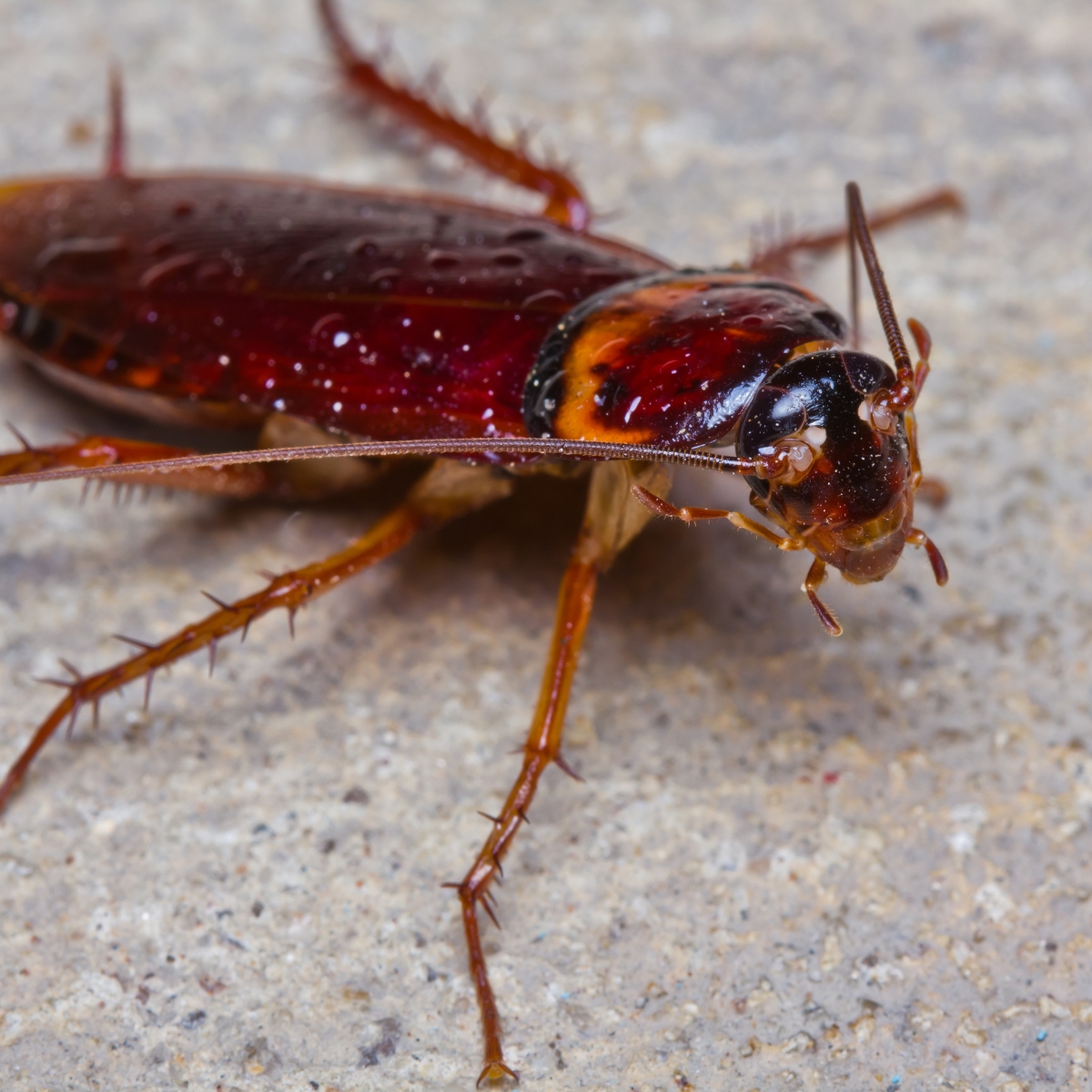
- Asthma and allergy flare-ups triggered by cockroach allergens
- West Nile Virus and Zika from mosquitoes—incidence rates are rising as summers become wetter and warmer
Not all pests carry the same risk. For example:
- Rodents are notorious for carrying dangerous bacteria and viruses
- Cockroaches primarily threaten those with respiratory sensitivities
- Birds nesting in attics can introduce mites and airborne contaminants
One small infestation can quietly disrupt your home’s safety, impacting vulnerable family members first.
Protecting Food and Indoor Environments
Your kitchen and pantry are hotspots for pest contamination. Rodents and cockroaches are responsible for:
- Spoiling stored food with droppings, hair, and bacteria
- Contaminating surfaces where meals are prepared
- Triggering costly food waste and increased risk of foodborne illness in households every year
Pets aren’t immune either. Fleas, ticks, and accidental ingestion of contaminated food can make dogs and cats sick, adding unexpected vet bills to your monthly expenses.
“When pests invade, they don’t care whose food or air they contaminate—the risk is real for children, pets, and adults alike.”
Immediate Actions for a Safer Home
Keep the threats at bay with practical steps:
- Schedule pest inspections at least once a year, more for high-risk homes
- Seal entry points and store food in airtight containers
- Maintain rigorous cleanliness in kitchens and pet areas to reduce attractants
When you prioritize safe, responsive pest control and education, you give your family a healthier, calmer home environment. The best defense? Proactive measures, transparent service, and an unyielding focus on health—because peace of mind always starts at home.
Modern Pest Control: Strategies and Solutions for 2025
Today’s homeowners in Ontario face smarter, more persistent pests—and demand fast, safe, and eco-conscious results.
Choosing between professional and DIY pest control comes down to balancing responsiveness, cost, and peace of mind:
- Professional pest control offers thorough assessment, guaranteed follow-up, and licensed, insured expertise.
- DIY solutions are best for occasional, small-scale issues—think minor ant trails or spider sightings—but often miss hidden infestations.
Annual spending on pest control by Ontario homeowners has climbed nearly 30% since 2020, reflecting higher expectations for safety and guaranteed service.
The Power of Regular Inspection
Inspecting once isn’t enough.
Experts now recommend quarterly inspections for early detection, especially as warmer winters mean pests are active year-round.
- Single treatments may offer short-term relief
- Regular, proactive service prevents severe problems and reduces overall costs
“Routine inspections are your home’s insurance policy against costly infestations.”
Picture this: A technician with a discreet green uniform checking kitchen corners with digital sensors—no harsh sprays, just smart prevention.
Integrated Pest Management (IPM): Ontario’s Standard
Integrated Pest Management (IPM) leads the way in combining safety, science, and sustainability.
IPM involves:
- Assessment (identifying pest species, entry points, extent of risk)
- Prevention (sealing cracks, removing food/water sources)
- Monitoring (using traps, sensors, regular check-ins)
- Targeted intervention (minimal, measured use of safe treatments)
Benefits include:
- Reduced pesticide use
- Eco-friendly, pet-safe options
- Ongoing education to help you prevent repeat issues
Smart homeowners ask for IPM by name—“Eco-conscious pest defense isn’t a trend; it’s a must.”
Tech and Green: Innovation for Safer Homes
Today’s tools put power in your hands—and keep your family safer.
- Smart traps alert your phone to rodent activity
- AI detectors spot insect hotspots before you do
- Botanical and biodegradable sprays now match chemical solutions for efficacy, without the harsh residue and risk
A Toronto homeowner recently swapped monthly chemical sprays for botanical treatments—two months later, pest counts dropped by 80%, indoor air quality improved, and kids and pets stayed safe.
“Green innovations and smart tech now offer the best of both worlds: less risk, more results.”
If you want a pest-free home in 2025, prioritize regular inspections, ask about IPM, and choose providers who blend new tech with eco-friendly principles. Professional, modern pest control is about results you trust—and safety you see.
Knowing Your Enemy: Recognizing Common Ontario Pests
Picture this: You walk into your kitchen and spot a small black pellet behind your toaster—it’s not just a crumb, it’s a sign. Knowing how to recognize pests fast is key to protecting your family’s health and your property’s value in 2025.
Ontario homeowners deal with a clear “Top Three” when it comes to pest threats:
- Rodents (mice, rats)
- Wood-destroyers (termites, carpenter ants)
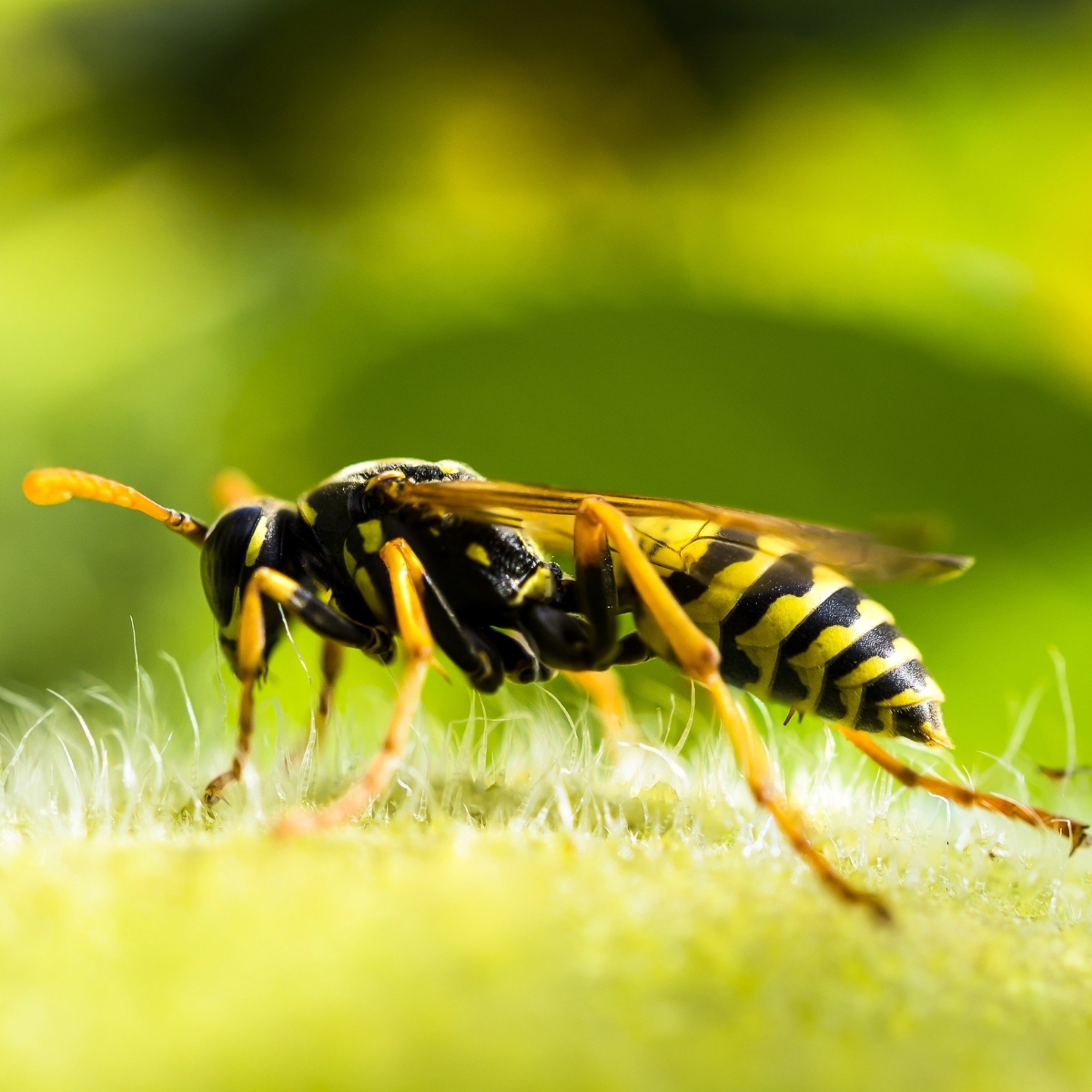
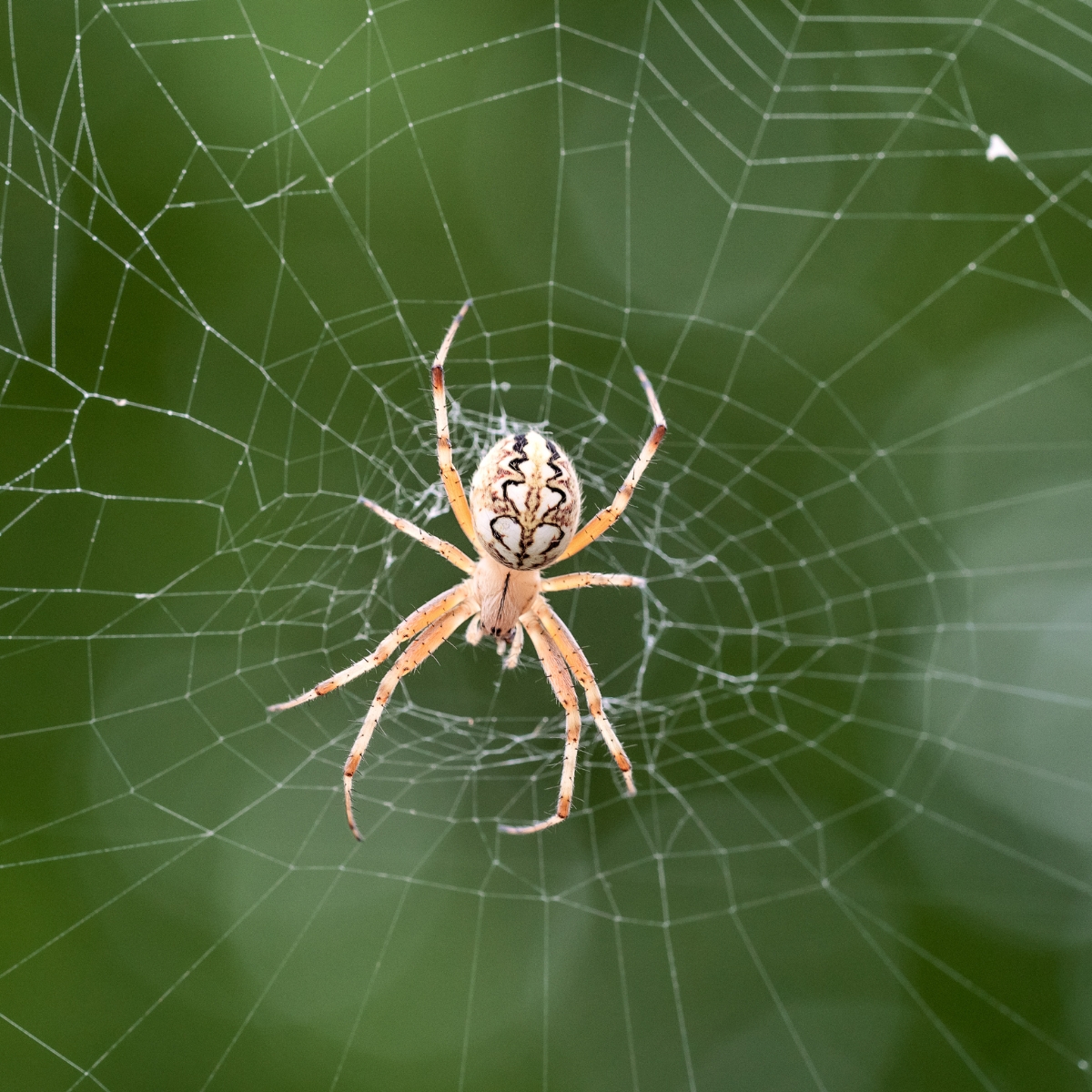
- Occasional and seasonal invaders (spiders, wasps, cluster flies)
Stay alert for visual, auditory, odor-based, and structural cues—early recognition means safer homes and fewer costly repairs.
Social-share quote: “A single sign—like a faint scratching behind the drywall—can give you a head start in stopping a full-blown infestation.”
—
Rodents: Mice and Rats
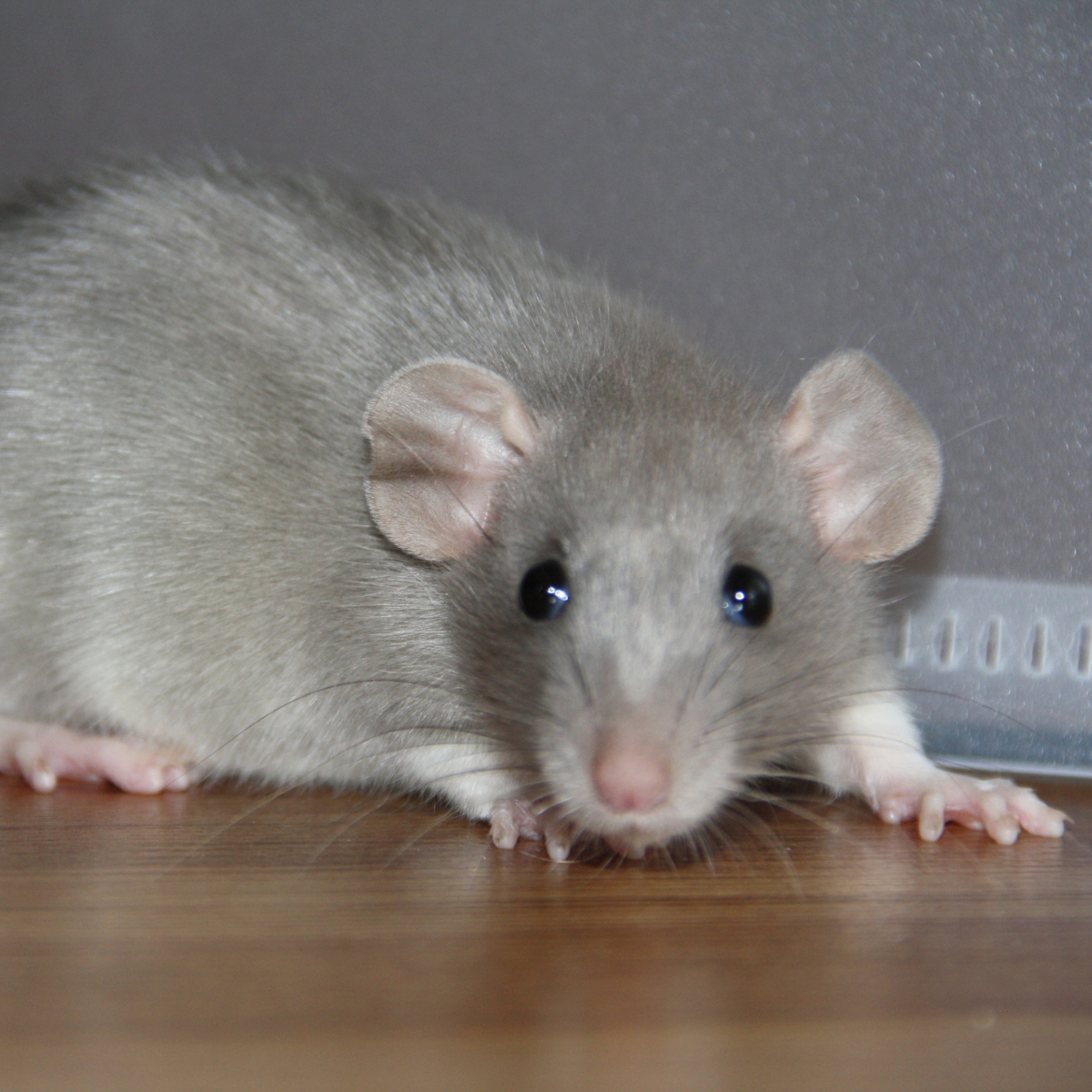
Rodents are the GTA’s “stealthy infiltrators.” Their favorite entry points include garage gaps, dryer vents, and openings around pipes.
If you notice any of the following, act quickly:
- Droppings (look for small pellets in cupboards or along baseboards)
- Gnaw marks on food packaging, baseboards, or furniture
- Nocturnal sounds—scratching in walls, especially at night
Rodents can chew through wiring (fire hazard alert!) and multiply rapidly, doubling a small problem in just weeks. Spotting even a few droppings should prompt you to investigate further—don’t ignore what you can see, hear, or even smell.
—
Wood-Destroyers: Termites & Carpenter Ants
Termites and carpenter ants are called “silent destroyers” for a reason—a $5,000 repair job can start out as little more than a spongy patch on your window frame.
Early warning signs:
- Mud tubes along foundations
- Winged insects or shed wings near windows in spring
- Hollow-sounding wood or blistered paint
Advanced warning signs:
- Sagging floors
- Visible tunneling in wood
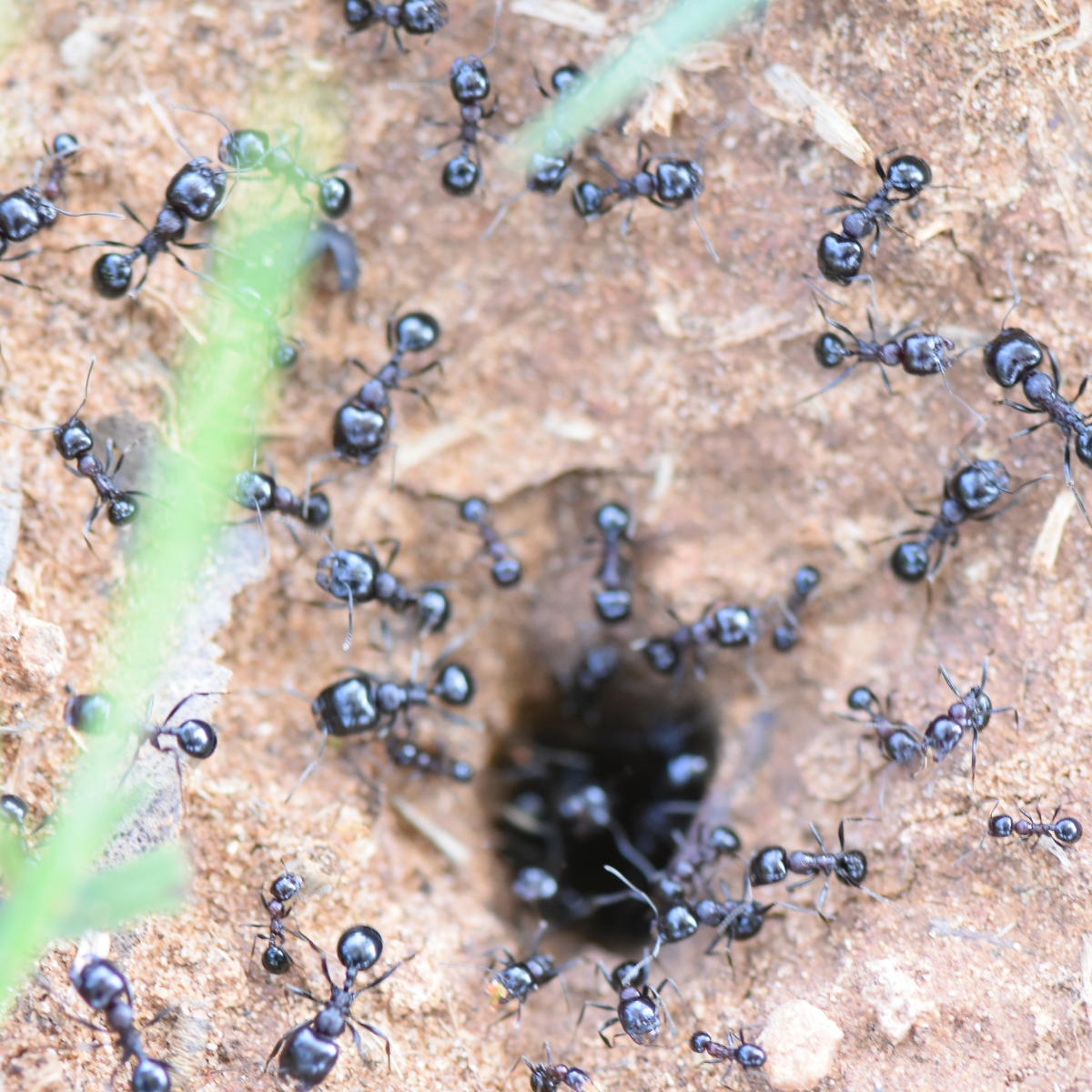
- Swarms of ants with bent antennae (distinct from household ants)
Early detection not only saves money—it saves your home’s value and your peace of mind.
—
Occasional Invaders and Seasonal Pests
Some pests aren’t year-round headaches, but come in waves.
Watch out for:
- Spiders spinning webs in basements and corners in autumn
- Wasps nesting under eaves during late summer
- Cluster flies gathering around attic windows in early fall
Fast tip: Seal windows, repair screens, and keep storage clutter-free to deter these unwelcome visitors.
Preventing repeat invasions is all about quick, targeted action—don’t wait until next season to address entry points.
—
Knowing the signs—whether it’s a strange noise, a sticky web, or a small pile of sawdust—means you can take action before pests become more than just a nuisance. Smart, early detection is your best defense in keeping Ontario homes safe, sound, and truly pest-free.
Prevention and Maintenance: Building a Pest-Free Home for the Long Term
Staying ahead of pests requires more than a single service—it’s about year-round awareness and action.
Picture this: an immaculate kitchen and a well-sealed basement mean pests are far less likely to make your home theirs. Keeping your home protected in 2025 revolves around a mix of maintenance, sanitation, and exclusion techniques trusted by professionals across Ontario.
- Regular cleaning—sweep up crumbs, wipe down surfaces, and manage garbage daily
- Seal cracks and gaps around windows, doors, and the foundation
- Store food in airtight containers to deny pests easy meals
- Trim vegetation and maintain yard cleanliness to discourage nesting
A proactive mindset transforms your property from “target” to “off-limits.”
Scheduled Inspections and Proactive Monitoring
Professional pest control isn’t just reactionary; leading companies in Ontario now recommend quarterly inspections as standard. Early detection saves homeowners an average of $2,500–$4,700 in repairs by catching termite or rodent activity before it escalates.
- Inspections use data-driven tools: digital monitors and smart traps track pest movement
- Routine follow-ups ensure that solutions adapt as seasons change
“We believe peace of mind comes from ongoing vigilance, not last-minute rescues.”
Homeowner Actions and Best Practices
Small, consistent actions make a huge difference. Here’s what works best:
- Caulk baseboards, outlets, and vents
- Fix leaky pipes and manage moisture around your home
- Declutter attics, basements, and garages to reduce hiding spots
- Work with neighbors to address shared issues—block by block, fewer pests thrive
A “See something, say something” attitude drives real change in communities.
Aligning with Environmental Responsibility
Eco-conscious pest control isn’t a trend—it’s the new normal. In 2025, Ontario homeowners increasingly choose licensed providers who use botanical and biodegradable solutions. Ask about natural treatments, and look for company credentials and local expertise.
- Demand transparency on products used inside and outside your home
- Value education: the right partner will show you why each step matters
- Champion green solutions as part of safeguarding both families and the environment
Sustainable choices and regular professional support keep your home safe, your conscience clear, and your neighbourhood healthy. Prevention in pest control is investment that pays dividends: fewer infestations, cleaner living, and peace of mind all year.
Conclusion
Protecting your home in 2025 means being proactive, informed, and choosing solutions that work for your family, your investment, and the environment. With pests adapting faster than ever, the advantage now lies with those who prioritize safety, sustainability, and regular maintenance—not just quick fixes.
Your next move can make all the difference. Consider these top strategies:
- Schedule professional pest inspections at least once a year—or quarterly if you live in a high-risk area.
- Seal up entry points and keep indoor environments clean to stop infestations before they start.
- Request eco-friendly, integrated pest management (IPM) when you hire a provider.
- Partner with licensed, insured local experts who guarantee fast response and transparent, education-focused service.
- Maintain open communication with your neighbors to reduce risks across the entire community.
Ready to take action?
Start by booking a tailored inspection with a trusted Ontario professional—the sooner you act, the more you save on repairs, health risks, and stress.
Empower yourself with high standards: demand safe, science-driven, and environmentally responsible pest control tailored for 2025. Every step you take strengthens your property’s value, your family’s wellbeing, and your peace of mind.
Smart prevention is the new must-have for Ontario homes—because a healthier, safer future is built on the choices you make today.
FAQs
1. Why are pest control services so important for homeowners in 2025?
Pest Control Services for Homeowners in 2025 have become essential due to rising temperatures, increased rainfall, and rapid urban growth across Ontario. These conditions allow pests like rodents, termites, and mosquitoes to stay active year-round. By working with trusted professionals who use Integrated Pest Management (IPM) methods, you can safeguard your home and family from costly damage and health risks.
2. How often should I schedule professional pest inspections?
Experts recommend quarterly inspections as part of effective Pest Control Services for Homeowners in 2025, especially in high-risk areas like the GTA. Regular visits help detect early signs of infestation—before repair costs escalate. Consistent monitoring saves Ontario homeowners thousands in potential damage and ensures eco-friendly prevention all year.
3. What’s the difference between traditional pest control and modern eco-conscious solutions?
Modern Pest Control Services for Homeowners in 2025 use smart, sustainable strategies—like AI-powered traps, digital sensors, and botanical treatments—to deliver long-lasting protection without harmful chemicals. This approach minimizes pesticide exposure for families, pets, and the environment while maintaining the same level of effectiveness as traditional methods.
4. How can I find reliable pest control companies in Ontario?
Look for licensed and insured providers that specialize in Pest Control Services for Homeowners in 2025 and follow IPM guidelines. Reputable companies will offer clear estimates, educational advice, and eco-friendly options. Visit our service page to explore customized protection plans for your home.
5. Are there government or expert resources on pest prevention I can trust?
Yes! The Government of Canada’s Pest Management Regulatory Agency offers credible information on pest safety and eco-conscious management standards. Pairing this with professional Pest Control Services for Homeowners in 2025 ensures you’re using safe, approved methods that protect your home and the environment.
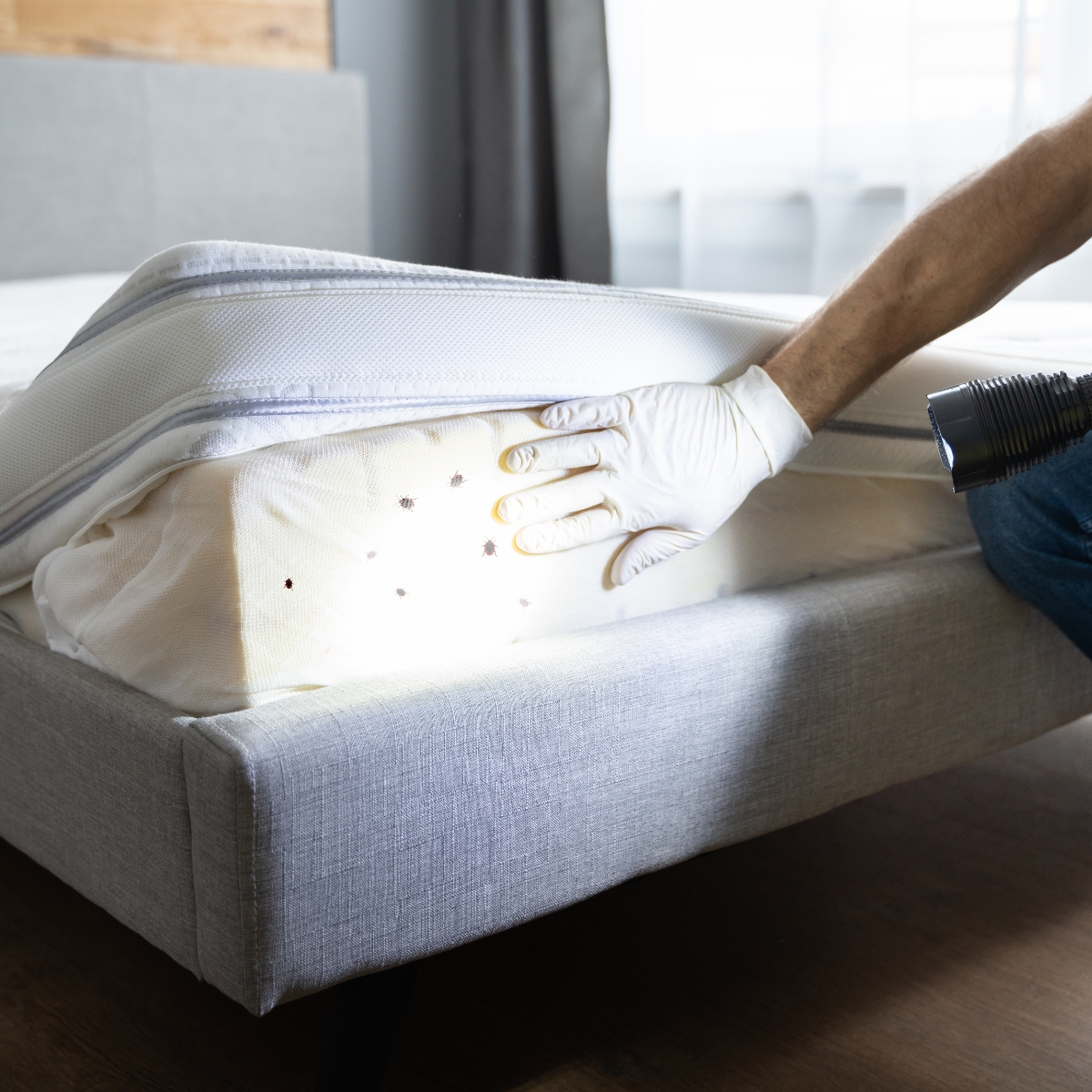
If bed bugs are part of your concern, our in-depth guide — Pest Control Services for Bed Bugs: Solutions for 2025 — covers the most effective, eco-conscious treatments and prevention strategies used by Ontario professionals today.


