table of contents
- Why Pest Behavior Shifts With Every Season
- Location Matters: Tailor Vigilance By Property Type
- Year-Round Vigilance vs. Spot Treatments
- Key Spring Pests and Their Patterns
- Building a Strong Spring Defense
- Targeted Spring Pest Management Strategies
- Pests at Their Seasonal Peak
- Summer Sanitation and Risk Reduction Practices
- Safe Handling and Professional Support
- Understanding Autumn Pest Movement
- Spotting and Sealing High-Risk Entry Points
- Exterior “Fortressing” Tactics for Fall
- Early Intervention and Smart Monitoring
- Key Takeaway: Make Fortification a Habit
- The Challenge of Indoor Pests in Cold Months
- Winter Cleanliness and Moisture Control
- Responsive and Responsible Winter Treatments
- Foundation of Effective Prevention
- Benefits of Professional Seasonal Pest Control Plans
- Integrating Environmental Responsibility and Safety
- Legal Framework for Pest Control in Ontario
- Safety Protocols for Every Season
- Staying Informed and Responsive
- Sample FAQs (SEO + Internal Links)
Seasonal Pest Control in Ontario is the key to staying ahead of pests that adapt to weather shifts, property types, and human habits. Understanding how spring ants differ from winter rodents helps you build a proactive, eco-conscious pest management plan that works year-round. These strategies ensure a safer, healthier, pest-free environment—no matter the season.
- Adapt pest control tactics each season as pest activity shifts—ants and termites in spring, mosquitoes and stinging insects in summer, rodents and spiders in fall, and indoor invaders in winter.
- Prioritize prevention over reaction: Homes and businesses practicing monthly inspections, entry-point sealing, and routine sanitation see up to 60% fewer pest emergencies.
- Tailor your approach by property type—urban apartments, suburban homes, restaurants, and commercial buildings each face unique risks and require specific monitoring and fortification steps.
- Spring clean and seal to shut out pests early: Repair leaks, clear yard debris, and seal cracks before pest populations explode with warmer weather.
- Maintain tight outdoor and indoor sanitation habits in summer—empty standing water weekly, secure trash, and store food in sealed containers to dramatically cut pest attraction.
- Fortify your property in the fall by sealing gaps, installing door sweeps, and moving firewood away to block the main entryways for rodents and insects seeking warmth.
- Sustain winter vigilance with regular inspections, moisture control, and professional support—airtight food storage and leak repairs keep indoor populations from taking hold.
- Choose licensed, insured, and eco-responsible pest management partners—Ontario law demands it, and you’ll gain peace of mind, safety, and transparency in every season.
Empower your year-round pest prevention plan by applying these proven habits—and explore the full guide to build a safe, smart, pest-free property for every season.
Introduction
You open the basement door and catch the faint sound of scratching—one in four Ontario properties will host a surprise guest this year, and it isn’t a friendly one.
If you’ve ever noticed an ant trail in April or a wasp nest on your patio in August, you know firsthand: pests in Ontario don’t follow a single rule—they follow the seasons.
Each shift in weather brings a different threat, turning city apartments, suburban homes, and busy restaurants into the next prime target.
That means a spotless kitchen in summer isn’t enough if your entryway is unsealed by fall.
Staying pest-free year-round is less about luck, more about timing and tailored readiness—whether you’re a homeowner, a property manager, or running a neighborhood café.
The good news is, you can outsmart even Ontario’s most determined invaders with:
- Proactive seasonal prevention, not unpredictable “fire drills”
- A clear grasp of which pests peak when
- Simple, proven tactics for every season—always grounded in safety and environmental care
From early spring ant armies to rodents searching for winter refuge, it’s possible to keep your space safe, smart, and pest-free without stress or guesswork.
You’ll discover how year-round vigilance and quick, focused action can make all the difference for your building’s health and your peace of mind—while staying eco-conscious and regulatory-compliant.
Ready to see how seasonal pest patterns shape your risks—and what to do before trouble sneaks in?
Let’s step into the rhythms of Ontario’s pest cycles, starting with what you need to know about springtime activity and solutions.
Understanding Seasonal Pest Activity in Ontario
Ontario’s climate, with its cold winters and humid summers, directly shapes pest cycles year-round. As soon as snow melts, you’ll see ants and termites become active, while summer heat invites mosquitoes, flies, and stinging insects.
Urban and suburban settings each face unique pest challenges.
- Downtown Toronto apartments often battle cockroaches or rodents seeking warmth in winter.
- Suburban homes might see a springtime explosion of ants or a late-summer wasp surge around patios and entryways.
Why Pest Behavior Shifts With Every Season
Pest risks change with the seasons because different species respond to temperature, humidity, and available shelter.
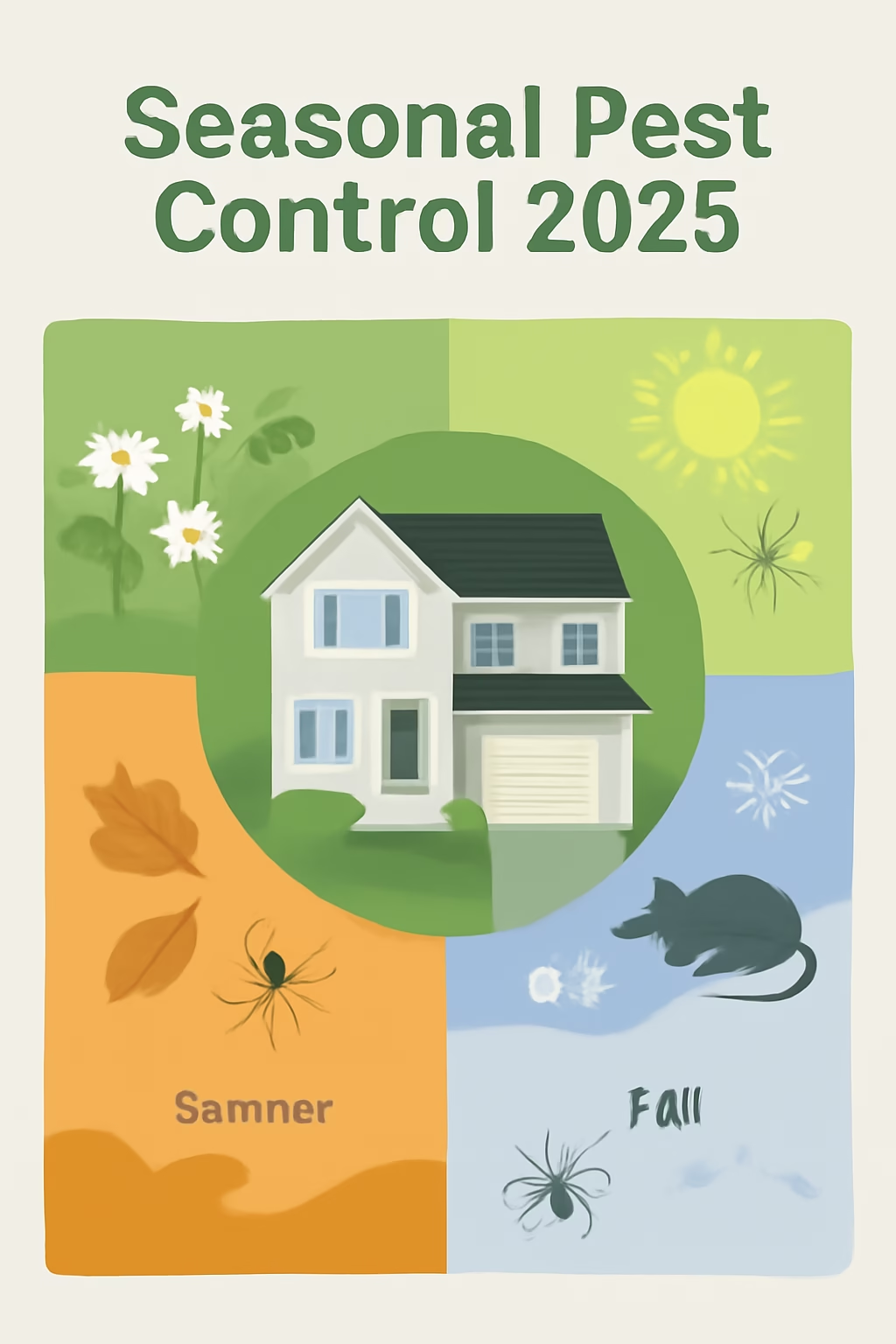
- Early spring: Ants, termites, and emerging mosquitoes take advantage of warming ground and increased moisture.
- Summer: Mosquitoes, flies, and stinging insects hit their peak—especially near standing water or outdoor food sources.
- Fall: Rodents, spiders, and insects move indoors, seeking shelter as nights turn cold.
- Winter: Pests that have snuck inside—cockroaches, silverfish, rodents—become far more active within your property.
“Your pest control priorities should shift each season—reacting late can mean treating infestations, not just preventing them.”
Location Matters: Tailor Vigilance By Property Type
Different properties demand unique approaches:
- Homes: Ants and rodents exploit construction gaps and cluttered basements.
- Restaurants & Retail: Food debris, leaky pipes, and constant foot traffic raise year-round risk.
- Commercial Facilities: Large, multi-unit spaces require regular monitoring and strict sanitation to avoid severe winter rodent infestations.
Year-Round Vigilance vs. Spot Treatments
Adopting proactive pest control pays off: homes and business owners who clean, inspect, and block entry points monthly can prevent infestations—avoiding emergency interventions that can cost hundreds more than quarterly care.
- Ontario homeowners who switched to prevention-first routines saw “pest emergencies” drop by 60% according to recent service call data.
Picture this: you spot a single wasp nest in June, treat it, and forget—only to find five nests come August. Year-round attention stops this cycle.
Regular, tailored vigilance means you won’t get caught off-guard by shifting pest patterns, ensuring your property remains safe, healthy, and pest-free, whatever the season brings.
Spring: Prevention and Early Intervention
Key Spring Pests and Their Patterns
As Ontario thaws in early spring, ants, termites, mosquitoes, and the occasional rodent become more active.
Warming temperatures spark these pests to move out of winter hiding, with ants trailing along foundations and termites quietly seeking new food sources.
- Ants may nest in walls or foundations, drawn by moisture.
- Termites are especially problematic in damp or previously water-damaged areas.
- Mosquitoes start emerging anywhere standing water is left after snowmelt.
- Rodents use lingering entry points to sneak back inside.
Picture this: The first mild week of April brings tiny ant trails in your kitchen and scattered mud tubes from termites in the utility room—spring is prime time for catching activity before it explodes.
“Pest prevention in spring is like putting on your seatbelt: it’s simple, effective, and stops bigger problems before they start.”
Building a Strong Spring Defense
Think of spring as your annual home and business checkup.
The most effective prevention tactics are:
- Inspect all exterior cracks, gaps near doors, windows, pipes, and cables—seal with weather-resistant caulk.
- Repair leaks under sinks, around foundations, and fix poor drainage to cut off the moisture ants and termites crave.
- Yard clean-up: Remove leaf piles, clear clutter, trim vegetation touching the building, and switch from heavy wood mulch to rocks or thin mulch bands by the foundation.
“Just an afternoon spent sealing gaps and tidying the yard can dramatically lower pest pressure for the entire season.”
Targeted Spring Pest Management Strategies
For homes in high-risk or termite-prone zones, professional inspection every spring is a worthwhile investment.
Environmental responsibility matters—ask your provider about products approved for use near gardens and homes.
- Schedule preemptive termiticide barrier treatments if there’s past damage history.
- Request only licensed and insured technicians following Ontario safety standards.
- Focus on clear, proactive education: “Prevention is always less stressful—and less costly—than reacting to a pest emergency.”
When neighbors see you taking preventative steps, you set the standard for the block.
Taking simple, thorough steps in spring puts you one step ahead of Ontario’s most persistent pests and saves both money and stress later. Stay proactive—every sealed crack and cleared leaf could be the difference between a peaceful season and a surprise infestation.
Summer: Managing Peak Pest Pressures
Pests at Their Seasonal Peak
Warm Ontario summers bring a surge in mosquitoes, flies, ants, roaches, and stinging insects like bees, wasps, and hornets.
If you manage a patio restaurant, run a retail shop, or care for a busy household, you know pest activity is highest from June through August.
Picture this: after an early summer thunderstorm, you notice wasps circling your deck and ants tracking toward the kitchen—this is peak invasion season for the GTA and surrounding communities.
“Pest exposure can double outdoors in summer months, especially where water and food are easily found.”
Summer Sanitation and Risk Reduction Practices
Stopping pests before they start means dialing in your routines each week.
Prioritize these key actions for effective, eco-conscious control:
- Empty or change water in gutters, birdbaths, toys, and plant trays every 7 days (mosquitoes can breed in a bottlecap’s worth of water!).
- Store trash securely in tight-lidded bins; clean them out weekly to eliminate odor that attracts flies and roaches.
- Keep lawns mowed and weeds pulled back—ticks and ants thrive under long grass and yard clutter.
- Clear brush, leaf piles, and debris around your exterior walls to reduce bug and rodent hiding places.
“Just 15 minutes of yard care each week can cut pest risks in half all summer long.”
Safe Handling and Professional Support
Food is a major magnet for summer pests, so stay vigilant both indoors and out.
Follow these best practices for safety and peace of mind:
- Store all pantry goods and pet food in sealed, tamper-proof containers.
- Clean up crumbs, spills, and food scraps after every meal—countertops, picnic tables, and patios included.
- If you spot a wasp or hornet nest, never attempt removal yourself—licensed pest control pros are trained for safe, compliant removal (Ontario regulations require specific chemical handling and documentation).
Announcing “We’re licensed, insured, and ready to protect your property—so you can enjoy summer stress-free.”
By making sanitation a habit, sealing out pests, and calling in professionals for complex issues, you can keep your Ontario property safe, comfortable, and thriving all season. Start with weekly outdoor checks and swift action at the very first sign of increased activity—consistent prevention beats reaction every time.
Fall: Fortifying the Property Against Invasion
Understanding Autumn Pest Movement
Ontario’s crisp fall air brings more than changing leaves—the season signals rodents, spiders, and insects to seek cozy refuge indoors.
This migration isn’t just a rural issue—urban homes, restaurants, and offices can be hotspots, with pests slipping through the tiniest of gaps.
Picture this: you wake up to find evidence of mice behind your pantry or discover spider webs along seldom-used basement corners—classic signs that something slipped in as the nights grew colder.
Spotting and Sealing High-Risk Entry Points
The key to fall pest control is turning your property into a fortress.
Two-thirds of autumn pest problems begin with overlooked cracks and gaps.
For a quick, effective shield, inspect and address:
- Gaps around windows, doors, utility lines, and foundation cracks
- Baseboard and pipe penetrations in basements and crawl spaces
- Missing or damaged weather-stripping and door sweeps
Homeowners and business managers can prevent trouble by sealing these points using:
- High-quality caulk for small cracks
- Steel wool and metal mesh for larger openings
- Door sweeps and weather-stripping on all exterior doors
Exterior “Fortressing” Tactics for Fall
Regular exterior walkarounds help spot new risks as leaves and debris build up.
Take these steps before autumn is in full swing:
- Repair and secure: Install screens on vents and cap chimneys.
- Tidy up: Move firewood at least 20 feet from the building; keep it off the ground.
- Remove shelter: Clear fallen leaves, brush piles, and clutter from the perimeter.
Each of these actions blocks popular pest highways right when invaders are most desperate to get inside.
Early Intervention and Smart Monitoring
Pest-proofing isn’t complete without what’s happening inside. Decluttering is one of your best fall moves—it removes hiding spots and exposes early warning signs.
Make fall pest monitoring a routine:
- Perform monthly walkthroughs of basements, attics, and storage rooms.
- Set up snap traps, sticky monitors, or tamper-resistant baits where activity is seen.
- Schedule a licensed inspection if you notice droppings, chewed wires, or new entry points.
Most Ontario pros recommend preventive visits in September or October—before pests fully settle in—for optimal results.
Key Takeaway: Make Fortification a Habit
“The best fall pest control is a habit, not a chore.”
Block every entry point, declutter, and stay alert as temperatures cool.
Consistent action in autumn means safer, more comfortable properties—and far fewer surprises when winter settles in.
Winter: Monitoring and Maintaining a Pest-Resistant Environment
The Challenge of Indoor Pests in Cold Months
Ontario’s winters push common invaders indoors—including rodents, cockroaches, and silverfish—where warmth and food draw them in.
For many properties, especially restaurants, multi-unit dwellings, and commercial spaces, this season increases the risk of hidden infestations taking hold.
Picture this: a quiet restaurant kitchen after hours, with mice making themselves at home behind appliances—a scenario avoided only through disciplined winter vigilance.
“Winter is when prevention meets persistence: pests find a way unless you show them the door.”
—
Winter Cleanliness and Moisture Control
Cleanliness is your strongest shield against winter pests.
Implement these winter-specific practices:
- Store food and pet food in airtight, chew-proof containers—never in open bags or boxes.
- Wipe surfaces, sweep floors, and empty garbage daily—crumbs are an open invitation.
- Inspect and reduce moisture by using dehumidifiers, especially in basements and crawl spaces.
- Fix leaks immediately: even a small drip under the sink can keep roaches or silverfish thriving.
- Schedule monthly inspections in attics, basements, and behind appliances for signs like droppings or gnawed materials.
One small habit—such as sealing a cereal box after every use—can prevent an entire colony from establishing itself.
“A pest-free winter starts with a tight seal on every entry and a clean sweep behind every appliance.”

Responsive and Responsible Winter Treatments
When pests do get inside, take safe, measured action:
- Use traps and labeled, approved pest control solutions only when needed—avoid overuse and follow all product labels precisely.
- Ensure full compliance with provincial and national safety standards (Ontario and EPA) if using chemicals—businesses should keep detailed records for regulatory review.
- Choose humane and eco-conscious methods—for example, live-traps for rodents or low-toxicity baits—aligning with current best practices.
A recent trend in Ontario: more property managers opting for environmentally-friendly, humane pest management—proof that effective doesn’t have to mean harsh.
“Responsible pest control isn’t just smart—it’s the standard Ontario expects and deserves.”
—
Staying pest-safe this winter means making kitchen cleanliness, moisture control, and regular inspections a routine, not an afterthought. Build these habits, and cold months become just another season—not a pest holiday.
Year-Round Habits for Consistent Pest Protection
Foundation of Effective Prevention
The most effective way to keep your property pest-free is by building regular prevention into your routine.
Just thirty minutes each month can make a difference:
- Inspect entrances for new cracks, gaps, or loose screens
- Check kitchens, basements, and utility areas for evidence of pests
- Look for signs of leaks or excess moisture
Reducing clutter across storage rooms, garages, yards, and common areas removes hiding places and quickly exposes problem spots.
“Think of monthly pest checks like setting your home’s security alarm—quick, effective, and low-stress when it becomes a habit.”
Regular monitoring also means you’ll spot recurring patterns or seasonal spikes, giving you a head start on interventions before small issues multiply.
Benefits of Professional Seasonal Pest Control Plans
If your property faces persistent pressures or past infestations, professional pest control plans can add peace of mind.
Many Ontario clients see benefits from scheduling:
- Quarterly inspections and targeted treatments (often less than the cost of one major emergency)
- Priority scheduling and service guarantees
- Clear, written follow-up guidelines tailored for seasonal changes
For restaurants, multi-unit dwellings, and busy homes, emergency callouts can cost 2-3x more than regular maintenance—making proactive plans a smart investment.
“Seasonal pest plans keep you prepared, not panicked.”
Integrating Environmental Responsibility and Safety
Ontario residents are increasingly choosing eco-friendly and humane pest solutions—available year-round and just as effective.
Look for pest control providers who:
- Offer green, low-toxicity treatments and humane removal options
- Train occupants and staff in simple, jargon-free best practices
- Verify licensing, insurance, and transparent service records
Picture this: A clean, safe business or home, backed by a professional in a green uniform explaining every step in clear language—no mysteries, no stress.
“Responsible pest management doesn’t just protect your space; it protects your peace of mind and the environment.”
Reliable pest prevention is about smart, regular habits, not just emergency reactions. With monthly checks, clutter control, and an expert on call, you’re always one step ahead—season after season.
Ontario Regulations, Safety Standards, and Local Best Practices
Legal Framework for Pest Control in Ontario
Ontario’s pest control industry is tightly regulated to protect people, pets, and the environment.
Licensed pest professionals must comply with:
- The Ontario Pesticides Act and Regulation 63/09
- Health Canada’s Pest Management Regulatory Agency guidelines
- Local bylaws that sometimes set stricter rules for property use
Working only with licensed and insured providers means your service follows the law and upholds the safest standards—critical for businesses and homeowners alike.
“Never risk your property with unlicensed treatments. In Ontario, it’s not just about results—it’s about responsibility.”
Safety Protocols for Every Season
Safe pest control in Ontario is more than just what product gets used—timing, method, and communication matter just as much.
Best practices every season include:
- Pre-treatment checklists: Clear instructions on how to prepare and secure spaces
- Use of only government-approved products—never blacklisted or unlabelled chemicals
- Physical and digital record-keeping, especially for commercial and food-service clients
For businesses, look for:
- Written safety protocols
- Up-to-date Material Safety Data Sheets (MSDS)
- Clear aftercare instructions, including re-entry times for treated spaces
“A professional that prioritizes safety gives you more than pest relief—they give you confidence during every visit.”
Staying Informed and Responsive
Ontario’s urban and suburban environments evolve each season, altering what pests property owners face.
Stay ahead with practices like:
- Watching city hall updates or local news for pest alerts and trends
- Scheduling annual walkthroughs with your provider (e.g., Diamo Pest Control) to update and personalize protocols
- Using online resources from the Ontario Ministry of the Environment, local health units, and reputable service providers
Picture this: A sudden spike in wasp activity or a new regulation on rodenticide use. Responsive companies train their teams regularly, adapting to shifts that affect your daily life and business.
When standards change or pests surge unexpectedly, a truly local provider brings clear communication, real-time updates, and eco-ethical solutions you can count on.
Ontario residents and business owners who know the rules and partner with qualified professionals gain safer properties, less stress, and lasting results.
For tailored pest management solutions, visit our Pest Control Service Page to explore eco-friendly, licensed treatments designed for Ontario properties.
Conclusion
Staying ahead of seasonal pests isn’t just about defense—it’s about protecting your property, your peace of mind, and the people who rely on you. When you approach pest control with an eye for prevention, you create safer, healthier environments year-round.
Whether you manage a busy restaurant, oversee a rental complex, or simply want to keep your family comfortable at home, proactive, eco-conscious pest habits set you apart and yield lasting results.
—
Key Takeaways You Can Act On Today:
- Inspect your property monthly for new gaps, leaks, and signs of pest activity.
- Seal cracks, secure entry points, and clear clutter both inside and out—consistency is your strongest ally.
- Partner with a licensed, insured professional for seasonal inspections and tailored solutions that put safety first.
- Choose eco-friendly and humane pest control whenever possible for added peace of mind and community trust.
- Maintain a routine: keep food sealed, eliminate moisture, and schedule follow-ups as the seasons change.
—
Ready to make your property safer and stress-free, no matter the season?
- Schedule your next professional inspection—spring is perfect for prevention, but it’s never too late to start.
- Implement a monthly cleaning and monitoring routine for kitchens, yards, and potential entryways.
- Reach out to providers like Diamo Pest Control for transparent, customer-first guidance—and ask about year-round eco-friendly plans.
—
Protecting your Ontario property is an ongoing promise to yourself and those you serve. Smart prevention today means more comfort, confidence, and control tomorrow.
“Build good pest habits season by season, and your space will always be safe, smart, and pest-free.”
Learn more about environmentally responsible pest control practices from Health Canada’s Pest Management Centre.
Sample FAQs (SEO + Internal Links)
1. What is Seasonal Pest Control, and why is it important in Ontario?
Seasonal Pest Control is a proactive approach that adapts pest prevention tactics throughout the year. It’s especially vital in Ontario, where temperature and moisture changes invite different pests each season.
2. How often should I schedule Seasonal Pest Control services?
Experts recommend quarterly or biannual visits for best results. Consistent monitoring prevents infestations before they start. You can book a seasonal inspection here.
3. Are Seasonal Pest Control methods safe for pets and children?
Yes. Licensed Ontario pest control companies use Health Canada-approved, eco-conscious treatments that are safe when used correctly.
4. What are the most common pests by season?
Spring brings ants and termites, summer brings mosquitoes and wasps, fall invites rodents, and winter drives cockroaches indoors.
5. Can I combine DIY prevention with professional Seasonal Pest Control?
Absolutely. Maintaining cleanliness, sealing entry points, and removing clutter complement professional care and extend results.
6. Where can I learn more about eco-friendly pest solutions?
You can explore additional safety and green pest management information on Canada.ca’s Pest Management page.