table of contents
Seasonal Wildlife Removal Ontario Trends 2026
Seasonal Wildlife Removal Ontario has become more important than ever as changing weather patterns and expanding urban development continue to influence wildlife activity across the province. Understanding seasonal wildlife behaviors helps homeowners and businesses anticipate animal movements, reduce property damage, and implement humane prevention strategies before infestations begin. This guide explains the latest 2026 wildlife removal trends and practical steps to protect your property throughout every season.
- Seasonal wildlife behavior is predictable—anticipate animal activity by adapting your prevention strategy across spring breeding, summer foraging, fall shelter-seeking, and winter indoor intrusions for all-year protection.
- Proactive, pre-season inspections and exclusion—seal gaps, screen vents, and repair winter damage before wildlife return in spring to reduce entry risk by up to 80%.
- Year-round animal monitoring is now essential—climate change and milder winters mean squirrels, bats, and rodents are active beyond traditional seasons; plan for adaptive service, not just annual checks.
- Rodents and insect-fueled intrusions lead in 2026—over 70% of removal calls involve mice, rats, or moles; integrated solutions address both pests and wildlife for full-spectrum property protection.
- Eco-friendly, humane removal sets the new standard—work only with licensed, insured professionals using humane techniques and transparent reporting to protect both your space and Ontario’s wildlife.
- Simple outdoor habits deter summer activity—secure bins, remove food sources, and trim vegetation to eliminate up to 80% of animal attractants on your property.
- Fall exclusion audits are crucial—conduct a comprehensive sealing of entries every autumn to prevent winter wildlife invasions and avoid costly repairs.
- Diamo Pest Control guarantees safety and results—with visual before/after reporting, fast response, and ongoing education, their licensed team delivers sustainable, customer-first wildlife management across the GTA.
Take the next step to safeguard your property—explore the full guide for detailed recommendations and proven prevention strategies tailored for Ontario’s evolving wildlife landscape.
Introduction
You step into your backyard after a late winter thaw, only to spot fresh raccoon tracks leading toward your garage. Within weeks, the scratching in your attic confirms it: wildlife is shifting its patterns, faster—and earlier—than ever before.
Across Ontario, over 60% of property managers and homeowners now report animal intrusions outside the “usual” season, driven by unpredictable weather and urban growth.
That means the traditional approach—sealing up gaps once a year—isn’t enough.
If you’re responsible for a home, shop, restaurant, or building in the GTA, there’s never been a better moment to rethink your wildlife prevention plan.
Here’s why this matters now:
- Climate shifts have blurred “peak season” for wildlife: Squirrel families and nesting birds return weeks ahead of schedule.
- Rodent problems are surging year-round, not just in winter.
- Urban wildlife is adapting with smarter, bolder behavior—putting buildings, health, and peace of mind at risk if you don’t stay a step ahead.
Luckily, a safer, eco-conscious, and results-driven approach is within reach—one that puts your needs and Ontario’s wildlife first.
In this guide, you’ll find:
- The latest season-by-season wildlife trends changing how and when you need to act
- Smart, practical steps for prevention and humane removal in every season
- Industry data and actionable insights specific to Ontario—no jargon, just clarity
- What to expect from licensed, insured, and environmentally responsible specialists (and why it matters more than ever)
Every season now brings new challenges and new opportunities to protect your space, your investment, and your local ecosystem.
Curious which seasonal patterns to watch for—and how to proactively defend your property with zero panic or guesswork?
Read on to discover the predictable rhythms of wildlife around your home, and how you can outsmart unwanted guests, year after year.

Understanding Seasonal Wildlife Removal Ontario and Wildlife Behavior Patterns
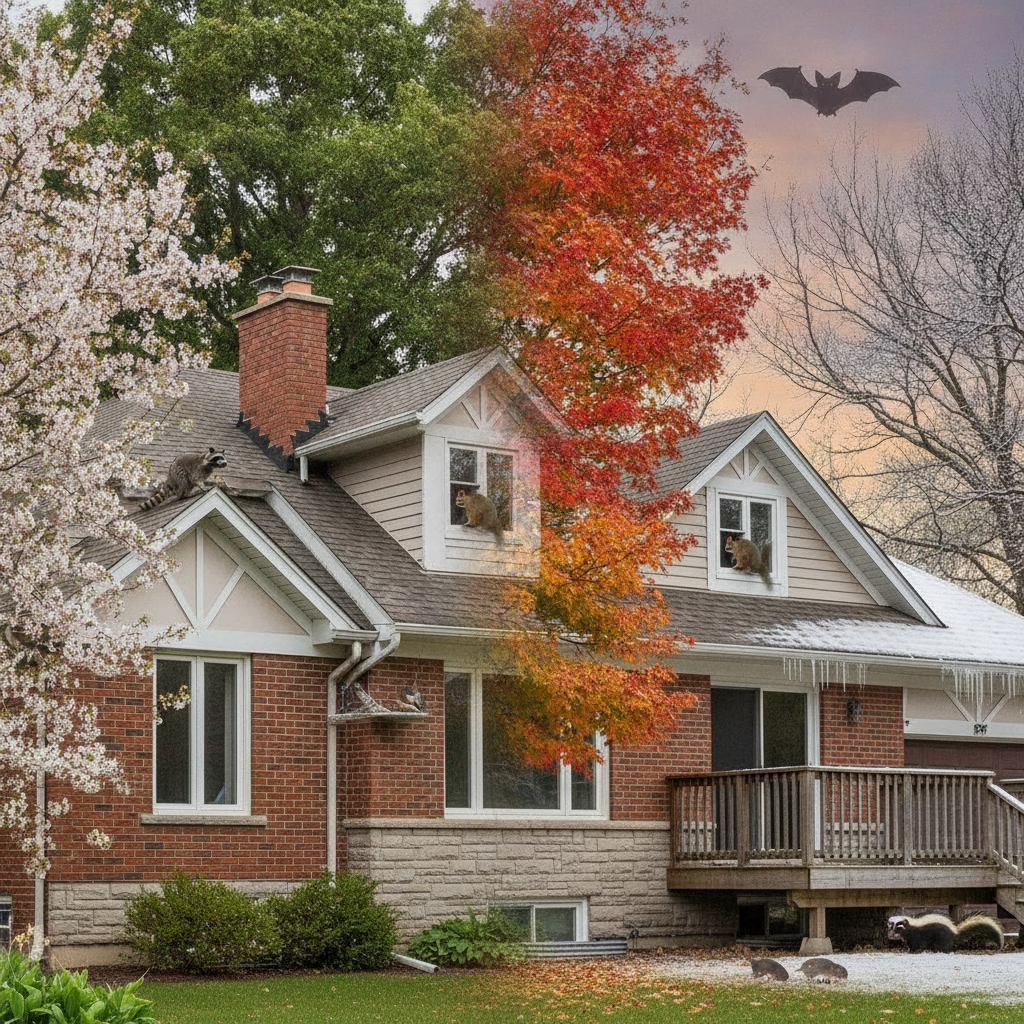
Wildlife behavior isn’t random—it follows distinct, predictable patterns tied to the four seasons. Knowing these cycles is key to preventing intrusions and taking proactive action around your property.
Spring: Emergence and Breeding
As soon as Ontario’s snow melts, squirrels, raccoons, bats, and birds come alive.
Picture this: a squirrel family nestling above your ceiling as the season’s first warm days arrive.
- Most animals awaken from hibernation or torpor and return from migration in March and April.
- Breeding and nesting kick off, with mothers seeking secure locations—often attics, soffits, vents, and chimneys.
- Heavy rains can flood natural dens, pushing skunks and raccoons under decks and into crawlspaces.
Humane removal is a must in spring—always avoid orphaning young.
- Prioritize pre-breeding inspections and install exclusion devices (e.g., chimney caps, vent screens) before nests are established.
- Industry data shows that spring attic entries rise by up to 40% in urban areas.
“Spring is when your home is most likely to host a new generation of wildlife—prevention and careful timing make all the difference.”
Summer: Foraging and Peak Movement
Summer days mean maximum wildlife movement. You may spot raccoons roaming farther, or see evidence of mice near your compost.
- Animals expand their range in search of food: gardens, trash cans, pet food, and bird feeders are the biggest attractants.
- Young wildlife are being raised—activity near homes spikes as families forage together.
Deterrence now is about sanitation and vigilance, not just physical barriers:
- Remove food attractants daily.
- Secure garbage bins and bring pet dishes indoors at night.
- Trim branches and shrubs that reach or hang over your roofline.
“Summer is a marathon for wildlife—keep your home off their route with simple, daily upkeep.”
Fall: Pre-Winter Shelter Seeking
With cool nights, animals shift from food gathering to shelter hunting. Fall is when rodents, squirrels, and raccoons double their efforts to get inside.
- Attics, crawlspaces, basements, and garages top their list for safe winter dens.
- Leaf piles, garden debris, and gaps revealed by bare trees create new entry opportunities.
Here’s what matters this season:
- Seal and screen all gaps, vents, and roof intersections before temperatures drop.
- Audit for subtle signs: scratching sounds, droppings, or disturbed insulation.
“An hour spent sealing gaps in September can prevent months of winter headaches.”
Winter: Shelter and Indoor Intrusions
Wildlife isn’t gone, just less visible. Rodents, bats, and squirrels retreat indoors, driven by the need for warmth and safety.
- Even a pencil-sized hole is enough for a mouse or bat to slip through.
- Mild winters in parts of Ontario mean some species remain intermittently active, so vigilance is year-round.
Key winter tactics:
- Focus on pre-winter sealing—especially along foundations and eaves.
- Continue interior monitoring for fresh droppings, chewed materials, or nighttime scratching.
“Don’t let the quiet fool you: winter is a prime time for hidden wildlife guests.”
Smart, season-based prevention is your best defense. By anticipating wildlife’s rhythms—and acting early—you’ll keep both your property and Ontario’s wildlife safer, all year round.
To better understand wildlife habits, breeding seasons, and humane management practices, homeowners can also explore educational resources from the Government of Ontario – Prevent Conflicts with Wildlife. Their guidance complements Seasonal Wildlife Behaviors 2026 by offering practical prevention tips and responsible wildlife management recommendations.
Key Wildlife and Pest Removal Trends for 2026
Staying ahead of wildlife and pest removal trends is crucial for Ontario property owners, as 2026 brings accelerated changes fueled by climate, urban growth, and new health concerns.
Climate-Driven Changes in Seasonality
The classic “wildlife season” is disappearing. Milder winters and longer summers across the GTA and Ontario now mean:
- Earlier breeding, with squirrels and raccoons seen nesting weeks ahead of typical peaks.
- Longer active periods: Bats and rodents are using attic spaces well beyond historic fall cut-offs.
- Disrupted hibernation: Animals like skunks and raccoons wake early or never enter full dormancy, especially after warm, wet spells.
For homeowners and facility managers, these shifts demand:
- Year-round monitoring for animal sounds, droppings, and entry points.
- Flexible scheduling of exclusion and removal services—spring prep may now happen in late winter, and fall sealing might run into December.
- A move toward ongoing, adaptive service contracts rather than once-a-year checkups.
“Picture this: It’s late February, and instead of peace and quiet, you hear rustling in the attic—a result of wildlife stirred by another unseasonably warm spell.”
Species and Category Trends
#### Rodents and Insectivores
Rodents continue their climb as the top challenge for 2026 in Ontario.
- House mice, Norway rats, deer mice, and moles represent more than 70% of wildlife removal calls.
- Deer mice bring added concern since hantavirus risks are up—prompting more residents to seek professional, not DIY, solutions.
- Mole and vole activity is rising in new-build neighborhoods with fresh sod, leading to demand for turf-wildlife crossover services.
Over three-quarters of pest professionals report year-round rodent jobs, not just winter peaks.
#### Structural Insects & Wildlife Overlap
Insects are reshaping wildlife work.
- Cockroach and termite problems tend to open up new points of entry or shelter for animals.
- Many firms now offer integrated pest and wildlife plans—blending exterior exclusion, insect control, and attic cleanups in one contract.
- This full-spectrum approach means faster problem detection and holistic property protection.
“Smart, integrated solutions beat single fixes every time—think active exclusion, not just quick patchwork.”
Operational and Business Shifts
Wildlife management in 2026 looks different than just a few years ago.
- Year-long, contract-based exclusion and monitoring services are now standard—even for small businesses and homes.
- The industry is trending exclusion-first and humane, mirroring Diamo Pest Control’s values: safe, transparent, and customer-first.
- Providers emphasize eco-friendly solutions, rigorous staff training, and clear client communication.
- Certification, insurance, and regulatory compliance are must-haves, not optional extras, raising service standards and trust.
“Hiring a licensed, insured professional isn’t just smart—it’s now the baseline for true peace of mind and exceptional outcomes.”
In 2026, prioritizing year-round monitoring, adaptive exclusion, and holistic property care is not just best practice—it’s essential for anyone serious about protecting their space, health, and community in a changing world.

Season-Based Prevention and Preparedness Strategies for Ontario in 2026
Season-Based Prevention and Preparedness Strategies for Ontario in 2026 are most effective when homeowners stay one step ahead of changing wildlife activity throughout the year. By understanding seasonal wildlife behaviors and taking preventive action before animals begin nesting or seeking shelter, you can reduce the risk of costly infestations, structural damage, and emergency wildlife removal. A proactive maintenance plan tailored to Ontario’s climate helps protect your home in every season.
Late Winter–Early Spring: Inspection and Repair
Ontario winters are tough on buildings—and wildlife is quick to notice the smallest weakness.
Before animals emerge, prioritize a thorough inspection of key areas:
- Rooflines and shingles
- Attic vents and soffits
- Foundations and crawlspace entries
- Chimney caps
Spot and fix any holes or loose materials to halt early rodent or raccoon activity before it escalates. Early inspection can prevent costly repairs later and reduce your risk by up to 80%, according to leading industry data.
“Smart prevention and timely repairs mean peace of mind through spring.”
Spring–Early Summer: Nesting Awareness and Humane Removal
As the temperature warms, wildlife returns in force, looking for safe nesting spots.
Be alert for:
- Scratching, rustling, or chirping in attics or walls
- Sudden appearance of nesting material near soffits or vents
If you suspect animal activity, use licensed professionals who specialize in humane, non-lethal removal techniques, especially for families with young—a critical step to avoid orphaned wildlife and meet Ontario’s regulations.
“Every new nest is a chance for responsible, humane action that protects both your home and local wildlife.”
Summer: Food and Habitat Control
Warm weather brings peak animal activity—prevention starts outdoors.
Remove temptations by:
- Securing garbage and green bins with tight lids
- Storing pet food indoors—never feed animals outside
- Trimming trees and shrubs away from structures
- Cleaning up fruit, birdseed, and accidental spills promptly
80% of summer wildlife calls can be traced back to unmanaged food sources or excess vegetation. Small habits now mean fewer surprises later.
“Picture this: a summer evening uninterrupted by animal visitors, thanks to simple outdoor routines.”
Fall: Comprehensive Exclusion Audit
Autumn is your last line of defense before animals seek winter shelter indoors.
Take action by:
- Sealing gaps in siding, fascia, and foundation
- Screening all vents and chimney caps
- Repairing damage exposed by falling leaves and storms
Use a step-by-step checklist to cover every potential point of entry, with a special focus on attics, garages, and basements—areas most vulnerable to cold-seeking rodents and raccoons.
“An ounce of fall prevention saves a winter of anxiety and expense.”
Winter: Monitoring and Adaptive Response
Winter doesn’t mean wildlife disappears—stay vigilant indoors.
- Listen for nighttime noises in walls or attics
- Check for droppings or gnaw marks around storage, basements, or pantries
- In mild winters, expect continued activity from bats and squirrels
Contact professional support quickly for any signs of intrusion. Fast, eco-conscious service options are available year-round for GTA and Ontario residents.
“In winter, it’s critical to act fast—every hour matters when wildlife moves indoors.”
—
Staying one season ahead puts you in control. With proactive inspections, routine maintenance, and responsive action, Ontario property owners can reduce risk, safeguard property value, and protect urban wildlife—all year long.
The Value of Professional, Eco-Conscious Wildlife Removal
Relying on licensed, insured, and humane wildlife services isn’t just a smart choice—it’s the foundation of a safe, healthy, and environmentally responsible property.
DIY approaches may miss hidden entry points, risk orphaning wildlife, and can void home insurance.
Licensed providers offer:
- Thorough inspections to spot subtle risks long before they become problems
- Humane removal methods that protect both wildlife and families
- Proper clean-up and repair to safeguard against disease and future infestations
Why Safety and Long-Term Prevention Matter
A single overlooked gap can allow rodents, bats, or raccoons to return season after season—costing hundreds in damages and recurring removal services.
The best professionals provide:
- Year-round exclusion and monitoring
- Transparent recommendations for sustainable prevention
- Service guarantees backed by insurance and regulatory compliance
Choosing a certified removal company means you get reliable, accountable solutions you can trust.
“Every wildlife issue solved professionally is one less risk to your family’s health, your property’s value, and your community’s peace of mind.”
Environmental Responsibility You Can Rely On
Eco-conscious companies like Diamo Pest Control use methods that are humane and designed to preserve local wildlife populations while fully protecting your home or business.
Imagine a raccoon family nesting in your attic: our technicians will:
- Conduct a gentle inspection to confirm the presence of young
- Use one-way doors and exclusion to prevent orphaning
- Move fast to minimize both distress for animals and intrusion on your space
By 2026, over 90% of Ontario’s leading providers cite humane removal and transparency as pillars of their service (industry data), raising the ethical bar across the industry.
Diamo Pest Control: Your Local Standard-Setter
With a customer-first mindset and a commitment to rapid response, Diamo delivers:
- Instant access to licensed, insured experts using eco-conscious solutions
- Visual before-and-after reports on every job, so you know exactly what’s been done
- Ongoing education to empower your prevention for every season ahead
Picture this: your attic restored, wildlife safely back where it belongs, and your property protected—sustainably, affordably, and discreetly.
Takeaway: Partnering with a trusted, humane, and insured team like Diamo Pest Control is the surest way to protect property value, loved ones, and the Ontario environment—now and for years to come.
Understanding Seasonal Wildlife Behaviors 2026 is only one part of protecting your property. For a complete guide covering wildlife identification, prevention strategies, humane removal methods, and long-term home protection, read our pillar guide Importance of Wildlife Removal Services. It explains when professional wildlife removal is necessary, how experts prevent future infestations, and why early action can save homeowners significant repair costs.
Conclusion
Your ability to anticipate and respond to seasonal wildlife changes is the surest path to a safer, healthier property—and supports Ontario’s vibrant urban ecosystem at the same time.
With year-round vigilance and a commitment to humane, eco-conscious prevention, you’re not just solving today’s challenges: you’re building lasting protection.
—
Most Effective Steps You Can Take:
- Book a licensed wildlife inspection before each major seasonal shift
- Seal and screen entry points—especially attics, vents, and foundation gaps
- Eliminate outdoor food attractants and keep bins secure
- Prioritize humane, insured professionals for any removal or exclusion
- Stay informed—set reminders for seasonal audits or service check-ins
—
Ready for Action?
- Start with a thorough, eco-friendly property review this week
- Partner with a trusted, local provider—Diamo Pest Control delivers discreet, fast, and guaranteed service
- Share these insights with neighbours and colleagues to protect your whole community
- Ask for visual before-after documentation and humane guarantees from any service provider
—
Ontario’s wildlife will always move with the seasons. Your best move? Embrace prevention, act decisively, and choose partners who put safety and integrity first.
Every action you take—big or small—keeps your property safe, your community healthier, and our city’s wildlife where it thrives most: outdoors, not in.
Be proactive. Be humane. Stay pest-free—all year round.
“Smart prevention protects more than your home; it protects the balance of our city.”
FAQs
1. What are Seasonal Wildlife Behaviors 2026?
Seasonal Wildlife Behaviors 2026 refer to the predictable changes in animal activity throughout the year, including breeding, nesting, migration, food searching, and sheltering. Understanding these patterns helps homeowners prevent wildlife problems before they become serious infestations.
2. Why do wildlife infestations increase during certain seasons?
Seasonal Wildlife Behaviors 2026 show that animals respond to weather changes and food availability. Spring brings nesting activity, summer increases foraging, autumn encourages shelter seeking, and winter drives wildlife indoors for warmth.
3. Which animals are most active during spring in Ontario?
During spring, Seasonal Wildlife Behaviors 2026 commonly include raccoons raising young, squirrels nesting in attics, skunks denning under decks, and birds entering roof vents and chimneys.
4. How can I prevent wildlife problems year-round?
Routine inspections, sealing entry points, trimming tree branches, protecting garbage bins, and scheduling professional inspections before peak seasons are the best ways to stay ahead of Seasonal Wildlife Behaviors 2026.
5. Should I remove wildlife myself?
DIY removal can be dangerous and may violate local wildlife regulations. Professional wildlife removal experts understand Seasonal Wildlife Behaviors 2026 and use humane removal techniques that protect both your property and the animals.