
table of contents
- The Risks of Getting It Wrong
- Responsible Identification: Safety for You and the Environment
- When to Go DIY—And When to Call the Pros
- Unusual Sounds: Auditory Evidence
- Visual Clues: Droppings, Tracks, and Nests
- Odor and Air Quality Indicators
- High-Risk Zones in Residential and Commercial Properties
- Entry Point Identification and Damage Assessment
- Key Takeaways and Next Steps
- Rodents: Mice and Rats
- Squirrels and Raccoons
- Bats, Birds, Opossums, and Others
- Immediate Health and Fire Risks
- Ethical and Environmental Responsibility
- Responding with a Customer-First Mindset
- High-Risk Triggers for Professional Wildlife Inspection
- Why Licensed Technicians Deliver Safer, Smarter Results
- The Diamo Pest Control Inspection Experience
- Don’t Rush to Seal—Eviction Must Come First
- Integrated Pest Management: The Gold Standard
- Maintenance & Long-Term Risk Reduction
- The Value of Proactive Inspection
- 1. What are the most common Wildlife Infestation Signs Toronto homeowners should watch for?
- 2. How do I know if I have rodents or larger wildlife in my home?
- 3. Where do wild animals usually enter Toronto homes?
- 4. When should I call a wildlife removal professional?
- 5. Can wildlife infestations damage my property?
Wildlife Infestation Signs Ontario: How to Identify Animals in Your Home
Wildlife Infestation Signs Ontario are one of the earliest warnings that unwanted animals have entered your property. From scratching noises in the attic and droppings in hidden spaces to damaged insulation and unusual odors, recognizing these warning signs early can help prevent costly structural damage and health risks. Whether you’re dealing with rodent infestation signs, a raccoon infestation, or need a professional wildlife inspection Toronto, this guide explains how to identify common wildlife activity and when to contact a trusted wildlife removal specialist.
Here are the most actionable insights for Ontario homeowners and business owners looking for safe, eco-conscious pest control solutions:
- Accurate species identification is essential—misidentifying pests leads to ineffective treatments, repeat infestations, and unnecessary expense.
- Listen for unusual sounds at specific times—nighttime scurrying signals rodents or bats, while daytime scratching points to squirrels or birds.
- Spot physical evidence such as droppings, nesting materials, and odor—each species leaves distinct clues that reveal the true source of infestation.
- Inspect high-risk zones first—attics, soffits, roofs, basements, and storage areas are top entry points for wildlife intrusion.
- Document every sign—photos of damage and logs of noises or smells—to streamline professional intervention and speed up effective solutions.
- Never seal entry points before all animals are out—improper DIY fixes can trap wildlife inside and cause further property damage.
- Licensed professionals deliver safer, species-specific removal—using eco-conscious, humane methods that protect your home and Ontario’s unique wildlife.
- Prevent future infestations through regular inspections, sealing vulnerabilities, and proactive maintenance—integrated pest management can reduce re-infestation by over 80%.
Spotting warning signs and taking prompt, informed action is the key to a safe, pest-free space. Discover more detailed strategies and professional solutions in the full article.
Wildlife Infestation Signs Ontario
Wildlife Infestation Signs Ontario often begin with subtle clues that are easy to overlook. You hear a faint scrabbling above your ceiling at midnight—then, weeks later, notice a musky odor lingering in your living room. These early wildlife infestation signs can indicate that raccoons, squirrels, rodents, or other nuisance animals have already established a nest inside your home. Recognizing these warning signs early allows Ontario homeowners to schedule a professional wildlife inspection and humane wildlife removal before the damage becomes more extensive and costly.
By the time insulation is shredded and droppings appear, the question isn’t just “Do I have wildlife?” but “How much damage—and what kind—is already done?”
Across Ontario, as many as 1 in 3 urban homes will experience a wildlife intrusion this year, costing homeowners and property managers hundreds—even thousands—in repairs if left unchecked.
Mice, raccoons, squirrels, or bats—all leave distinct clues behind. Yet, misidentifying these uninvited guests can set off a chain reaction: ineffective treatments, rising costs, property risks, and accidental harm to protected species. It’s not just a nuisance; it’s a safety and legal concern.
Here’s the good news: with the right know-how, you can quickly tell the difference between a minor visitor and a growing infestation. You’ll know what to look for, where, and when to call the pros—long before serious damage is done.
In this guide, you’ll discover:
- How to spot early warning signs—from strange sounds to subtle smells and visible waste
- Which locations and entry points attract wildlife most often in Ontario homes and businesses
- Clear, species-specific clues to differentiate rodents, raccoons, bats, birds, and more
- The most effective next steps for safe, eco-friendly removal and long-term prevention
Whether you’re a homeowner hoping to catch small issues before they multiply, or a business owner safeguarding your reputation and property, understanding the telltale signs is your best defense.
Knowledge isn’t just power—it’s peace of mind, property protection, and a safer, healthier space for everyone.
Ready to recognize—and respond to—wildlife intrusions with confidence? Let’s start by exploring why accurate identification is at the heart of every lasting solution.
Understanding Wildlife Infestations: Why Accurate Identification Matters
Wildlife intrusions are more than a nuisance—they can threaten your property, health, and peace of mind.
Identifying the exact species before acting is not just smart—it’s essential for safety and results.
Picture this: a homeowner spots shredded insulation in the attic and assumes mice.
They set traps, but weeks later, thumping and damage escalate—turns out, raccoons were the culprits all along.
Misidentification means wasted effort, recurring infestations, or even accidental harm to protected species.
The Risks of Getting It Wrong
- Ineffective removal increases costs and frustration.
- Mistaking one species for another may lead to treatments that don’t work or damage non-target animals.
- In Ontario, mishandling native wildlife or using the wrong methods can violate conservation laws and ethical standards.
Imagine sealing up a soffit, only to trap animals inside—now you face both animal welfare issues and potential property damage.
Professional, transparent identification aligns with Diamo Pest Control’s core values: safety, eco-responsibility, and honest education.
Responsible Identification: Safety for You and the Environment
- Accurate detection preserves your family’s health—many wild animals carry zoonotic diseases or worsen allergies.
- Proper identification supports eco-balance: removal methods can be tailored for humane release or exclusion.
- With an estimated 30% of urban homes in Ontario now experiencing occasional wildlife entry, proactive, species-specific action is more important than ever.
Listen for clues: nocturnal scratching may hint at bats or rodents, while loud, daytime activity often means squirrels or birds.
When to Go DIY—And When to Call the Pros
Safe, initial inspections include:
- Using gloves, flashlights, and mirrors for a careful survey.
- Photographing or logging clear evidence, like droppings or nests.
- Checking activity timing—nighttime vs. daytime sounds.
But certain warning signs demand a licensed inspection right away:
- Persistent foul odors
- Evidence of chewed wiring (a major fire risk)
- Multiple entry points or signs across multiple rooms
“Accurate identification is the bridge between safe homes and lasting results.”
Taking time to get it right means fewer surprises, safer families, and a greener Ontario—every step with Diamo is a step toward peace of mind.
Key Signs of Wildlife Presence in Homes
Unusual Sounds: Auditory Evidence
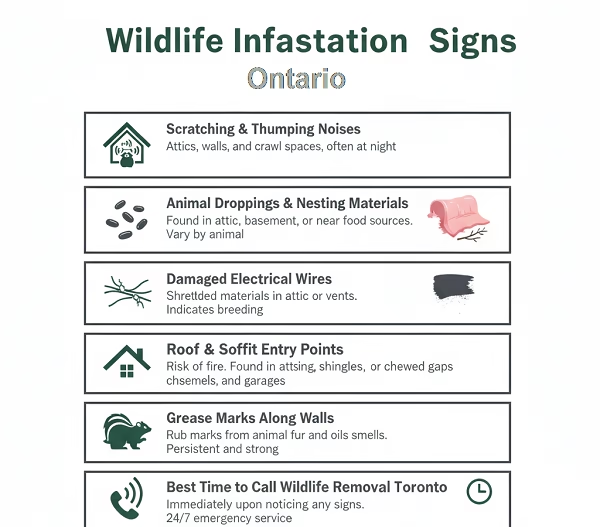
If you hear scratching, scurrying, thumping, or chirping coming from your walls, attic, or ceiling, wildlife may be making itself at home.
Pay attention to when these noises occur:
- Nighttime scurrying usually signals rodents or bats in attics and walls.
- Daytime scratching on the roof or soffits hints at squirrels.
- Springtime chirping often points to birds nesting in the chimney.
- Heavy thumping or walking above your ceiling may indicate a raccoon or opossum.
For a clear diagnosis, note the timing and location of each sound. Listening quietly in the evening or early morning can reveal distinct patterns.
“An attic that comes alive at dusk is rarely empty,” is a scenario many Ontario homeowners recognize.
Visual Clues: Droppings, Tracks, and Nests
Physical evidence tells the story loud and clear. Droppings, urine stains, and unusual tracks are top signs:
- Small dark pellets along baseboards or insulation = mice and rats.
- Larger piles (raccoon latrines) in attic corners or on flat roofs.
- Bat guano: dry, powdery, and found below roof beams—high in risk, as it can corrode surfaces.
- Tracks and dirt trails: tiny footprints, grease marks on walls, or disturbed insulation.
“Picture this: a line of greasy smudges along your baseboard is a rodent’s well-travelled runway.”
For DIY evidence gathering, grab a flashlight and gloves—and always use a safe access ladder.
Odor and Air Quality Indicators
Some infestations are best detected by your nose. Persistent musky, ammonia-like, or sweet odors are strong red flags:
- Rodent urine: potent and unmistakable, often causing air quality concerns in basements and ceilings.
- Decaying animal smell: a dense, sickly odor signals a deceased intruder behind walls or in crawl spaces.
- Honey-sweet scent: usually means bees have set up shop inside vents or walls.
These lingering smells don’t just make your space unpleasant—they can trigger allergies or indicate serious health risks.
Spotting unusual sounds, visible waste, or unexplained odors can help you act quickly and keep your home safe. If you notice any of these warning signs, document what you find and consider contacting a licensed professional like Diamo Pest Control. Fast, informed action supports a safe, pest-free home for everyone—no guesswork required.
Location-Based Inspections: Where to Look
Knowing where to inspect is just as important as recognizing Wildlife Infestation Signs Toronto. Most nuisance animals repeatedly target the same vulnerable areas of a property, making routine inspections essential for early detection. By checking common entry points and hidden nesting locations, homeowners can identify wildlife infestation signs, prevent structural damage, and arrange timely wildlife removal Toronto services before the problem spreads.
High-Risk Zones in Residential and Commercial Properties
When searching for evidence of a wildlife infestation, start with the most common target zones.
Wildlife love spots that offer warmth, shelter, and a quick escape route—exactly what attics, soffits, roofs, and eaves provide.
- Attics are #1 for surprise squirrel or raccoon guests—watch for shredded insulation and animal trails.
- Soffits and eaves allow birds and bats easy entry, especially if there are loose vents or gaps.
- Roofs and chimneys can be hotspots for larger mammals (raccoons, squirrels) or nesting birds—listen for scratching above your ceiling tiles.
For even trickier invaders, check these areas:
- Basements and crawl spaces are ideal for rodents sneaking in through foundation cracks.
- Walls and ventilation ducts can conceal mice or bats; check for droppings, ammonia smells, or sudden odor changes.
- Gutters and downspouts sometimes become quick hideouts, especially with blockages.
Commercial properties need attention to:
- Storage rooms, where cardboard, grain, or food attract pests quickly.
- HVAC systems, where nests or fur may block airflow.
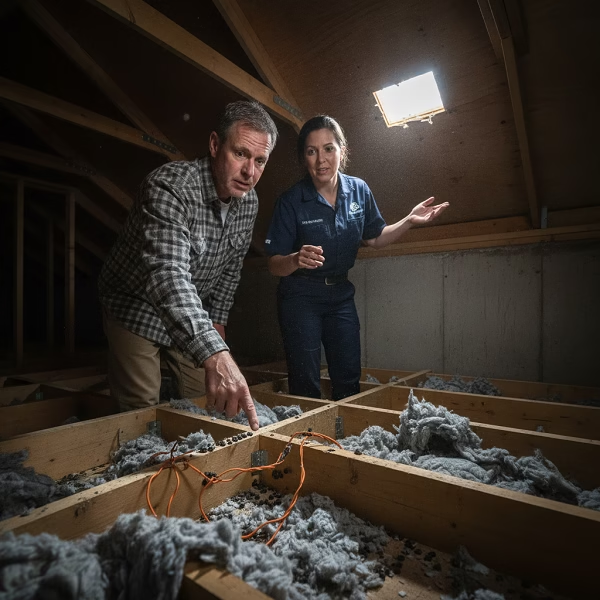
Picture this: You shine a flashlight into the attic and spot a path of compressed insulation leading to a shredded nest of paper and leaves.
If you’ve noticed persistent Wildlife Infestation Signs Ontario, don’t wait until the damage becomes more severe. Our Wildlife Removal Ontario services include comprehensive inspections, humane animal removal, entry point sealing, and long-term prevention solutions to protect your home or business from future infestations.
Entry Point Identification and Damage Assessment
Every wildlife intrusion starts with a vulnerable entry point.
Grab your camera or phone and document anything out of place—pro photos help when seeking professional help or repairs.
Key evidence to look for:
- Chewed wires, gnawed wood, bent soffits, or damaged shingles—fire risks and repair bills from $400+ are common.
- Shredded nest materials: insulation, fabric, twigs, or torn cardboard hidden behind beams or between joists.
- Grease marks, fur snags, and muddy prints on beams or along siding (signs of repeated animal traffic).
Here’s how to make your inspection safer and more effective:
- Use a mirror or phone camera to peek into tight spaces above ceilings or behind stored boxes.
- Always wear gloves and a mask when checking for droppings or nests—animal waste can cause respiratory issues.
If you discover a pattern of entry points or nests, don’t disturb them yet. Immediate disturbance can trap wildlife or worsen the problem—leave removal to trained, insured teams.
Key Takeaways and Next Steps
A thorough, room-by-room inspection is your best tool to protect health, safety, and property value.
Spotting and documenting wildlife damage helps you take control before minor problems become expensive repairs.
Act fast, work safely, and consult licensed professionals like Diamo Pest Control to ensure your home or business stays safe, smart, and pest-free.
Species-Specific Indicators and Differentiation
Rodents: Mice and Rats
Mice and rats are the stealthy culprits behind many Ontario infestations.
They leave behind tiny pellet-shaped droppings, often clustered along baseboards, attic corners, or inside cabinets.
Watch for:
- Greasy runways (dark, oily smears along walls)
- Gnaw marks on wood, wires, or piping (fire risk alert)
- Nests built from shredded insulation, paper, or fabric
- Small entry holes, sometimes only the size of a coin, with smudges or scratches nearby
Infestations concentrate near food storage, in basement utility rooms, and within wall cavities. “Picture this: a single mouse can slip through a gap as small as a dime, leaving subtle clues most miss at first glance.”
Squirrels and Raccoons
Squirrels keep regular hours, typically active at dawn and dusk, while raccoons roam at night or during quiet midday stretches.
Spot these guests by:
- Heavy thumping or walking sounds over ceilings (far louder than rodents)
- Large droppings in neat piles, or widespread mess in attics
- Torn shingles, bent soffits, and disturbed insulation near entry points
In Southern Ontario, it’s common to find squirrels nesting in soffits and raccoons peeling back roof vents to gain access. “Imagine walking into your attic to find shredded insulation scattered like confetti—classic raccoon handiwork.”
Bats, Birds, Opossums, and Others
Signs of bats include:
- Guano (small, crumbly droppings) stuck to wall beams or window ledges, often beneath entry/exit gaps
- “Corrosive guano can damage wood and drywall in just a season. Think of a sprinkle of coffee grounds—if you see this in your attic, suspect bats.”
For birds:
- Twigs, grass, and feathers in vents, chimneys, or roof eaves
- Eggshell pieces or downy fluff nearby
Opossum clues:
- Distinct five-toed tracks in dusty areas or insulation
- Strong-smelling, foul droppings
- Slow, heavy movement noises late at night
The Greater Toronto Area regularly sees these species due to urban green spaces and older housing stock.
Whether you spot a mouse’s pellets, a raccoon’s mess, or a line of bat guano, look for combination evidence: activity pattern, species-specific droppings, and property damage tell the real story. Remember, properly identifying your uninvited guest is the first step toward a safe, lasting solution—knowledge is your strongest line of defense.
Health, Safety, and Environmental Considerations
When it comes to wildlife infestations, protecting your health and safety is non-negotiable.
Even small signs—like a few droppings or a faint smell—can indicate problems that go well beyond inconvenience.
Immediate Health and Fire Risks
Wildlife intrusions can expose you and your family to serious risks:
- Allergens and airborne contaminants: Rodent droppings and raccoon latrines can trigger asthma, allergies, and respiratory illnesses.
- Zoonotic diseases: Wildlife like bats, mice, and raccoons can transmit harmful pathogens, including hantavirus and salmonella.
- Ammonia and foul odors: These create unpleasant, sometimes dangerous indoor air conditions that can linger for weeks.
Chewed electrical wires—a frequent byproduct of rodent and squirrel activity—are the #1 source of fire hazards linked to animal infestations in Ontario homes.
Nearly 20% of unexplained house fires are caused by wildlife-related electrical damage.
Ethical and Environmental Responsibility
It’s never just about “removal”—it’s about eco-conscious, humane solutions that protect both people and wildlife.
- Humane identification ensures no animals are trapped or separated from young.
- Eco-focused removal methods support a balanced environment and reduce unnecessary harm.
- Ontario regulations require that certain species (like bats during maternity season) be handled with extra care.
When you choose Diamo Pest Control, you’re choosing a licensed, insured team that’s committed to ethical practices and full transparency—because doing the right thing matters.
Responding with a Customer-First Mindset
In urgent cases, time is critical.
- Fast response prevents escalating damage, from destroyed insulation to hazardous mold growth.
- Clear communication and before-after photos keep you informed, so there are no surprises.
- Our team educates you on every step, so you always know how your property is being protected.
“Safety is not optional—it’s the foundation of every inspection.”
Picture this: A family discovers musky odors wafting from the attic, only to find hidden droppings nearby. They call us, and within hours, trained technicians confirm a raccoon presence—addressing the problem before it affects air quality and safety.
Immediate, informed action is your best defense—don’t risk DIY guesswork when professional, eco-smart help is a call away.
Choosing responsible, expert detection means everyone—your family, your tenants, your customers—can breathe easier knowing health and safety always come first.
When and Why to Seek Professional Help
Picture this: you hear scratching in your attic at 2 a.m., notice a strong ammonia scent near the baseboards, and find chewed wires behind your appliances.
These signs aren’t just unsettling—they’re clear signals it’s time for expert intervention.
High-Risk Triggers for Professional Wildlife Inspection
Call a professional right away if you observe:
- Multiple signs of wildlife (sounds, droppings, visible nests, strong odors)
- Persistent or worsening smells, especially musky or ammonia-based odors
- Any evidence of gnawed wires or electrical damage—this is a major fire hazard
- Movement during daylight and nighttime (squirrels, raccoons, rodents, bats)
- Large droppings in attics or on roofs (possible raccoon latrine)
If you attempt DIY solutions—like sealing entry holes—it’s easy to accidentally trap animals inside, worsen the problem, or expose your household to disease through improper cleaning.
Why Licensed Technicians Deliver Safer, Smarter Results
Professional wildlife control isn’t just about removing the animal.
A licensed, insured technician:
- Uses species-specific identification tools to pinpoint hidden infestations
- Inspects for secondary hazards like chewed insulation, nest debris, or latent moisture
- Ensures every animal is safely and humanely removed—with no trapped wildlife left behind
- Documents every step with before-and-after photos for your records and peace of mind
Quote this: “The right technician protects your family, property, and Ontario’s unique wildlife—guaranteed.”
The Diamo Pest Control Inspection Experience
Diamo’s process is built for busy homeowners and commercial clients who need clear, fast answers:
- Responsive scheduling—same-day or next-day service when urgency is critical
- Complete inspection using industry-approved PPE and eco-conscious practices
- Transparent documentation: photos, evidence logs, and a clear action plan
- Service guarantee with follow-up checks for safety and satisfaction
Imagine a clean slate: your home, free from wildlife, with repairs and eco-conscious barriers in place—no second guessing if the job was done right.
Clients value our transparency, eco-ethics, and tailored solutions, supported by a local Ontario team.
Fast, safe, and lasting wildlife relief starts by knowing when to call in trusted experts—saving you time, stress, and future repairs.
Preventative Measures and Next Steps After Identification
Early identification is only the first step—what you do next can protect your property, health, and peace of mind for years to come.
Before moving forward, document every sign of infestation for your records.
- Take clear photos of droppings, damages, nesting materials, and entry points
- Log noises, odors, and activity patterns by date and location
This simple evidence helps professionals confirm species and tailor solutions, saving you time and cost.
Don’t Rush to Seal—Eviction Must Come First
Avoid the #1 homeowner mistake: sealing holes before all wildlife is out.
- Use the newspaper test: Place a piece over suspect openings; if it’s shifted overnight, animals are still inside
- Never block vents, soffits, or access points until a technician has confirmed the absence of wildlife
Premature repairs can trap animals, leading to further property damage or distress.
Integrated Pest Management: The Gold Standard
A trusted approach like Integrated Pest Management (IPM) covers much more than quick fixes.
Key components include:
- Exclusion: Professionally sealing all active and potential entry points
- Sanitation: Cleaning up droppings, urine, and nests to remove disease risks
- Follow-up: Scheduled inspections and repairs ensure infestations don’t return
In Ontario homes, this approach can reduce re-infestation by over 80% compared to isolated treatments.
Maintenance & Long-Term Risk Reduction
Proactive property care is the frontline of defense.
- Inspect attics, basements, and exterior walls every 3–6 months
- Trim tree branches and shrubs at least 1 meter away from your roof
- Repair minor roof or siding gaps before seasons change
- Keep garbage bins tightly sealed and away from entry zones
Picture this: A well-sealed, meticulously maintained home deters unwanted guests before they start.
The Value of Proactive Inspection
Every professional review—especially before seasonal shifts—can catch risk factors early.
- A single missed entry hole can cost hundreds in repairs or health consequences
- Timely action preserves property value and ensures occupant well-being
Staying vigilant now means fewer surprises later. A little prevention now can save you years of costly reactions and unnecessary stress. Protecting your property truly begins with informed, calm action—document, delay repairs, choose comprehensive prevention, and invest in consistent upkeep for a safe, pest-free space.
For trusted information on living safely with wildlife, protected species, and legal wildlife management practices, visit the Ontario Ministry of Natural Resources. Their official resources provide valuable guidance for homeowners on preventing wildlife conflicts and understanding humane wildlife control methods.
Conclusion
Identifying wildlife infestations with care and precision safeguards more than your property—it’s a direct investment in your safety, your health, and Ontario’s unique ecology.
By taking a proactive approach, you empower yourself to make smart, responsible choices without unnecessary risk or wasted effort.
—
Ready to take control? Here’s where to focus first:
- Document every clue: Log sounds, odors, nesting materials, and visible entry points—photos make evidence clear and actionable.
- Inspect priority zones: Check attics, soffits, basements, and utility areas for physical damage or waste.
- Delay sealing repairs: Ensure all wildlife is professionally evicted before closing up access points to avoid trapping animals or causing further damage.
- Maintain eco-conscious prevention: Choose humane, environmentally safe barriers and regular property checks for lasting protection.
- Reach for help early: Call a licensed, insured provider like Diamo Pest Control at the first sign of trouble to ensure accurate, compliant solutions.
—
Your next move matters. Start by gathering evidence with safety in mind, then schedule a professional inspection for tailored, guaranteed results.
Create a plan for long-term prevention: trim back overhanging trees, secure garbage bins, and add routine checks to your maintenance calendar.
—
Ontario’s wildlife and your family deserve protection built on integrity, safety, and smart action—not guesswork.
There’s real peace of mind in knowing you’ve acted responsibly—for your property, your loved ones, and the environment.
“A safe, pest-free home starts with informed action—take the first step today, and let confidence replace uncertainty.”
FAQs
1. What are the most common Wildlife Infestation Signs Toronto homeowners should watch for?
The most common Wildlife Infestation Signs Toronto include scratching noises, droppings, nesting materials, unpleasant odors, damaged insulation, chewed wiring, grease marks, and visible animal entry points around the roof or foundation.
2. How do I know if I have rodents or larger wildlife in my home?
Rodents usually leave small droppings, chew marks, and scratching sounds inside walls, while raccoons and squirrels create louder thumping noises, larger entry holes, and more significant attic damage.
3. Where do wild animals usually enter Toronto homes?
Wildlife commonly enters through roof vents, soffits, chimneys, damaged siding, foundation gaps, attic vents, and uncapped exhaust openings.
4. When should I call a wildlife removal professional?
If you notice repeated Wildlife Infestation Signs Toronto, such as noises, droppings, or visible animal damage, contact a professional wildlife removal company immediately to prevent structural damage and health risks.
5. Can wildlife infestations damage my property?
Yes. Wildlife can damage insulation, electrical wiring, roofing materials, ductwork, wood framing, and even create fire hazards or contaminate your home with bacteria and parasites.
If you’ve identified Wildlife Infestation Signs Ontario, taking action quickly can prevent structural damage, health risks, and costly repairs. Learn why professional inspections, humane removal methods, and long-term exclusion solutions are essential by reading our comprehensive guide on Importance of Wildlife Removal Services, which explains how expert wildlife control protects your home and prevents future infestations.